There is a moment when studying Russia that the facts stop being just data and start feeling like a living map of a nation’s inner life. With more than 150 million native speakers, the Russian language is not merely a means of communication—it is a gateway to a sprawling, contradictory world that has long defied easy labels.
The Cyrillic alphabet, with its 33 letters, is a quiet monument to Byzantium and the Eastern Orthodox Church, a script that carries the weight of centuries in every curve and stroke. Linguists often pause over its melodic cadence and its famously stubborn grammar, sensing that the language itself holds keys to a cultural mindset that outsiders find both magnetic and elusive.
But the real intrigue begins when numbers meet narrative. Scholars have started applying mathematical models to the great Russian novels, and the results are startling. A deep dive into the verb structures of War and Peace reveals Tolstoy’s deliberate reliance on the imperfective aspect—a grammatical choice that stretches time, creating a sense of endless, flowing motion across his epic battlefields. It is as if the author’s syntax mirrors the slow, grinding rhythm of history itself.
Using Markov chains and network theory, researchers have also begun mapping the tangled webs of character relationships in Dostoevsky’s and Tolstoy’s masterpieces. These computational tools do not diminish the artistry; they illuminate it, showing how every seemingly minor character is a node in a complex system of influence, betrayal, and redemption. The result is a fresh, almost scientific lens on a literary tradition that has long been celebrated for its psychological depth.
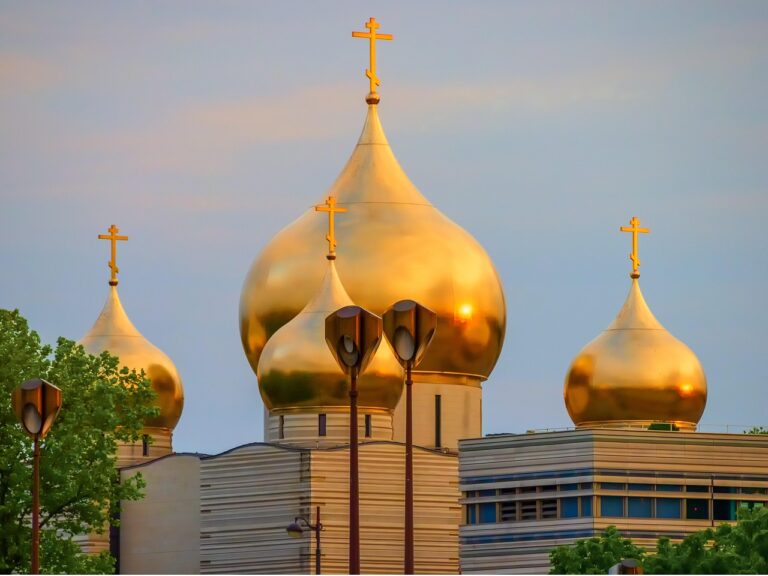
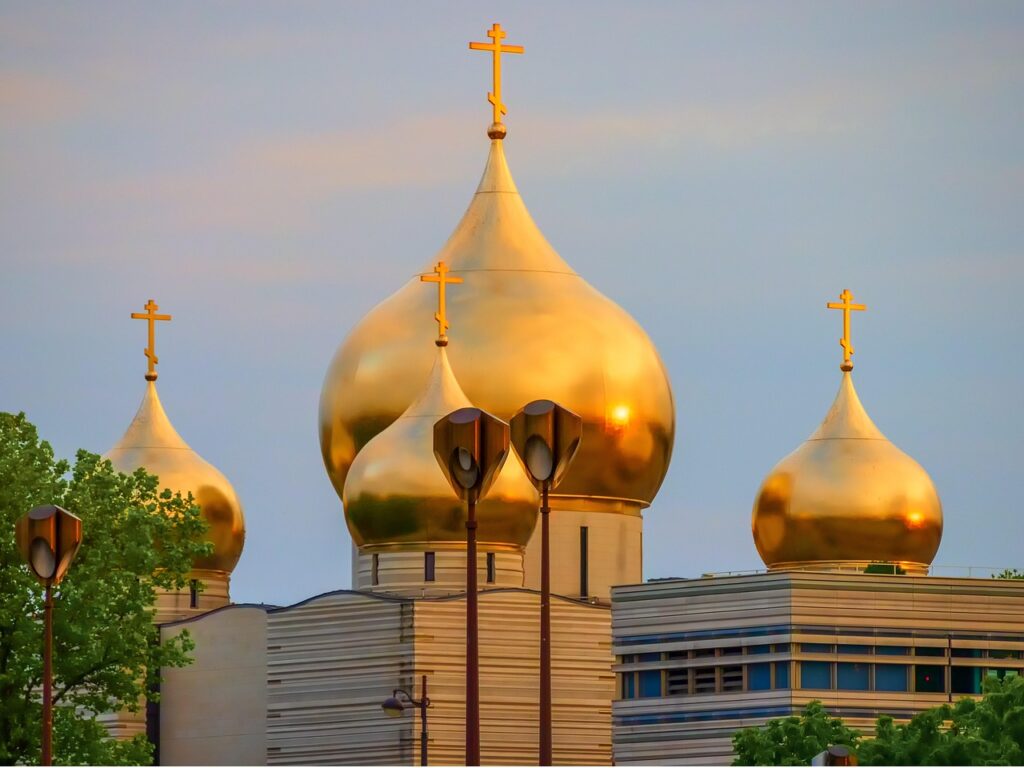
Russia’s position at the crossroads of Europe and Asia has never been just geography—it is a source of existential tension. The onion domes of St. Basil’s Cathedral and the stark, imposing blocks of Soviet-era buildings stand as architectural arguments about identity. One looks east, the other west, and together they frame a nation perpetually in dialogue with its own contradictions.
That same push and pull runs through Russian art, music, and literature. Artists have wrestled with the pull of European refinement against the pull of Asian mysticism, often producing works that feel both timeless and unsettled. The nation’s symbols tell the story even more plainly. The double-headed eagle, introduced in the 15th century, has been redrawn and reinterpreted through every political upheaval, each transformation revealing a shift in how Russia sees itself. The hammer and sickle, meanwhile, carried its own semiotic weight—a compressed ideology that spoke to millions without uttering a word.
Studying Russia is not for the faint of heart. It requires patience with its grammar, respect for its silences, and a willingness to follow patterns where they lead—even when they lead into contradiction. But for those who persist, the rewards are profound. Beneath the surface of statistics and symbols lies a persistent, enduring mystique. And with every new method we bring to the table, we come a little closer to understanding a nation that has always been more than the sum of its parts.