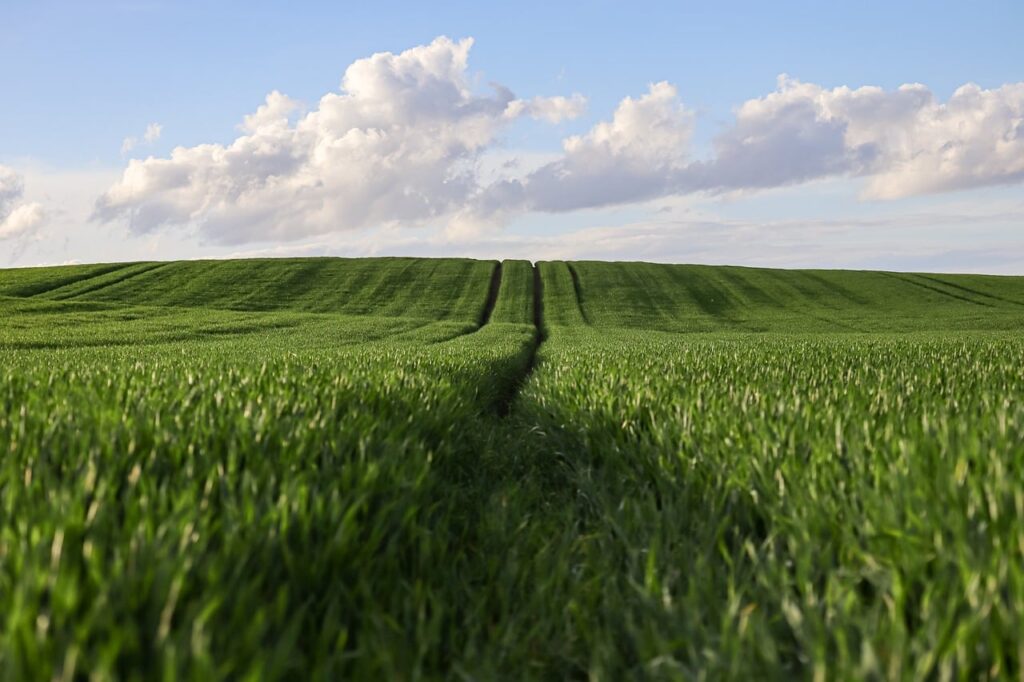
On the surface, agricultural economics might sound like a dusty subject reserved for policy briefs and university syllabi. But strip away the jargon, and you find a discipline that quietly decides whether a family in Nairobi eats tonight, whether a farmer in Iowa can afford next season’s seeds, and whether the coffee you drank this morning was grown or thrown away. It is the study of how we stretch the land, labor, and capital we have to feed a world that refuses to stop growing.
The stakes have never been higher. By 2050, the global population is expected to hit 9.7 billion. That means we need to produce more food in the next three decades than we have in the last ten thousand years combined. And we have to do it without wrecking the soil, the water, or the climate. Agricultural economics is the field tasked with figuring out how to square that circle. It is the lens through which we examine food security, rural poverty, and environmental degradation—not as separate crises, but as one interconnected puzzle.
At its core, this field is about the dance between supply and demand. On the supply side, farmers are at the mercy of weather, technology, and government policy. A drought in Brazil or a subsidy in Brussels can ripple across the globe. On the demand side, consumer tastes, population growth, and income levels shape what gets planted and what gets thrown away. The equations used to model these forces—where output is a function of technology, policy, population, and income—are not just academic exercises. They are the maps that guide everything from emergency food aid to trade agreements.
Technology has rewritten the rules of the game. Precision agriculture, once a futuristic dream, is now a farmer’s daily reality. Drones scan fields for pests, satellites track moisture levels, and machine learning algorithms tell a grower exactly where to water and where to wait. The result is less waste, higher yields, and a more sustainable footprint. This isn’t just about efficiency for its own sake. It’s about survival. The Cobb-Douglas production function, which links output to capital, labor, and productivity, may look like a relic of economics textbooks, but it is the backbone of every decision to invest in a new tractor or a new irrigation system.
Trade is the other half of the story. No country can produce everything it needs, and agricultural markets have become deeply globalized. Tariffs, quotas, and subsidies can make or break entire farming communities. The principle of comparative advantage—that nations should focus on what they produce best and trade for the rest—sounds simple, but it is fiercely contested in practice. When a rich country subsidizes its corn, a poor country’s farmer loses a market. When a drought hits one region, prices spike everywhere else. The math of opportunity costs is not abstract; it is the reason your grocery bill looks the way it does.
None of this is inevitable. Agricultural economics is not a passive observer of the world; it is an active tool for shaping it. With the right policies, we can reduce poverty, protect the environment, and feed a growing planet. With the wrong ones, we deepen inequality and deplete the very resources we depend on. The field is not glamorous. It does not make headlines. But it is the quiet engine of human civilization, and understanding it is the first step to getting the future right.