Every crime scene tells a story, but it takes a special kind of expertise to make the silent details speak. Forensic science is that voice, a discipline that blends biology, chemistry, physics, and mathematics into a single, relentless pursuit of truth. It is not merely about catching criminals; it is about reconstructing moments that have slipped into history, one fragment at a time.
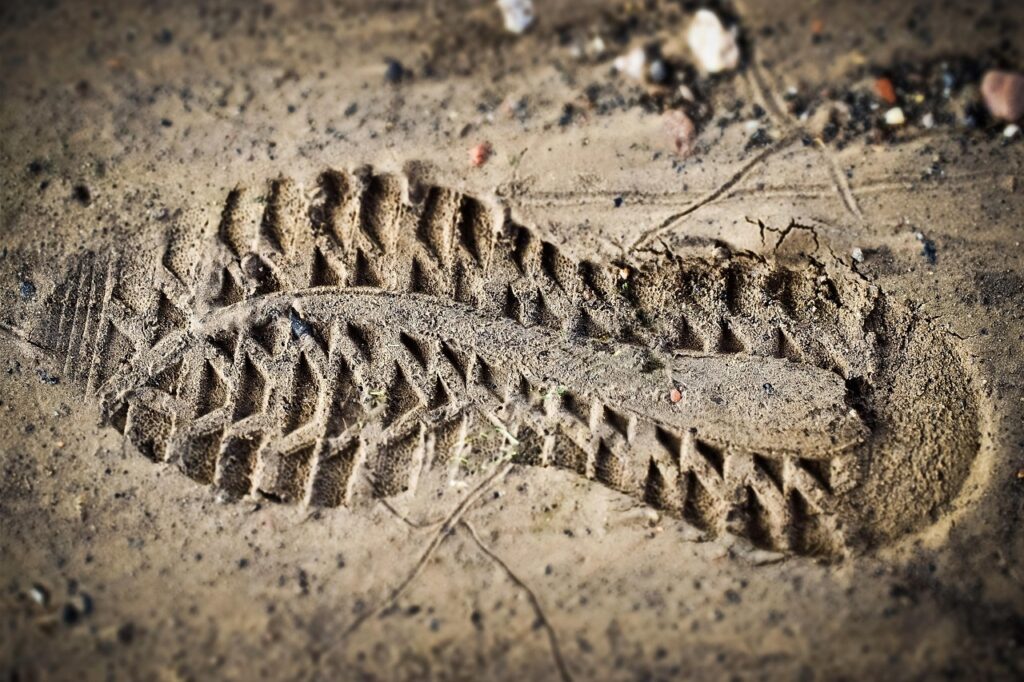
At its core, this field is built on a simple yet profound idea: nothing vanishes completely. Evidence, whether a strand of hair, a smudge of dirt, or a trail of digital data, is the raw material of reconstruction. Forensic scientists treat these remnants like pieces of a puzzle, using everything from high-powered microscopes to statistical models to fit them together. The smallest transfer of material, such as a fiber clinging to a jacket or a speck of soil lodged in a shoe, can reveal where a person has been and what they have done. It is a quiet, meticulous form of storytelling.
Few tools have transformed this work as dramatically as DNA analysis. By pulling genetic material from biological samples, amplifying it through polymerase chain reaction, and comparing profiles against databases, investigators can link suspects to scenes with astonishing precision. Cases that once seemed impossible to crack have been solved decades later, simply because a drop of blood or a single cell was preserved. Alongside DNA, traditional methods like fingerprint matching and ballistics analysis remain indispensable. The ridges on a fingertip and the striations on a bullet are as unique as a signature, and reading them correctly can make or break a case.
Technology is pushing the boundaries even further. Three-dimensional printing now allows investigators to recreate crime scenes in physical form, offering fresh perspectives on how events unfolded. Artificial intelligence and machine learning are sifting through massive datasets, uncovering connections that the human eye might miss. These innovations are not just conveniences; they are expanding the very definition of what counts as evidence and how it can be interpreted.
Yet, for all its power, forensic science is not infallible. Contamination, human error, and the mishandling of samples can skew results, sometimes with devastating consequences. The interpretation of complex evidence demands deep expertise, and a single misstep can send an innocent person to prison or let a guilty one walk free. This is why rigorous testing, validation, and continuous education are not optional extras but essential pillars of the field.
Looking ahead, the promise of forensic science is boundless. Researchers are refining old techniques and inventing new ones, always with an eye toward greater accuracy and efficiency. But the ultimate goal remains unchanged: to use the remnants of the past to serve justice in the present. Each solved case is a reminder that truth, however buried, is never truly lost.
In the end, forensic science is more than a technical pursuit. It is a lens through which we examine human behavior, a mirror reflecting both our darkest actions and our deepest desire for order. The evidence we leave behind is a testament to our existence, and the scientists who read it are guardians of accountability. As new discoveries emerge and methods evolve, one thing stays constant: the truth is always there, waiting to be found. Our job is to keep looking.