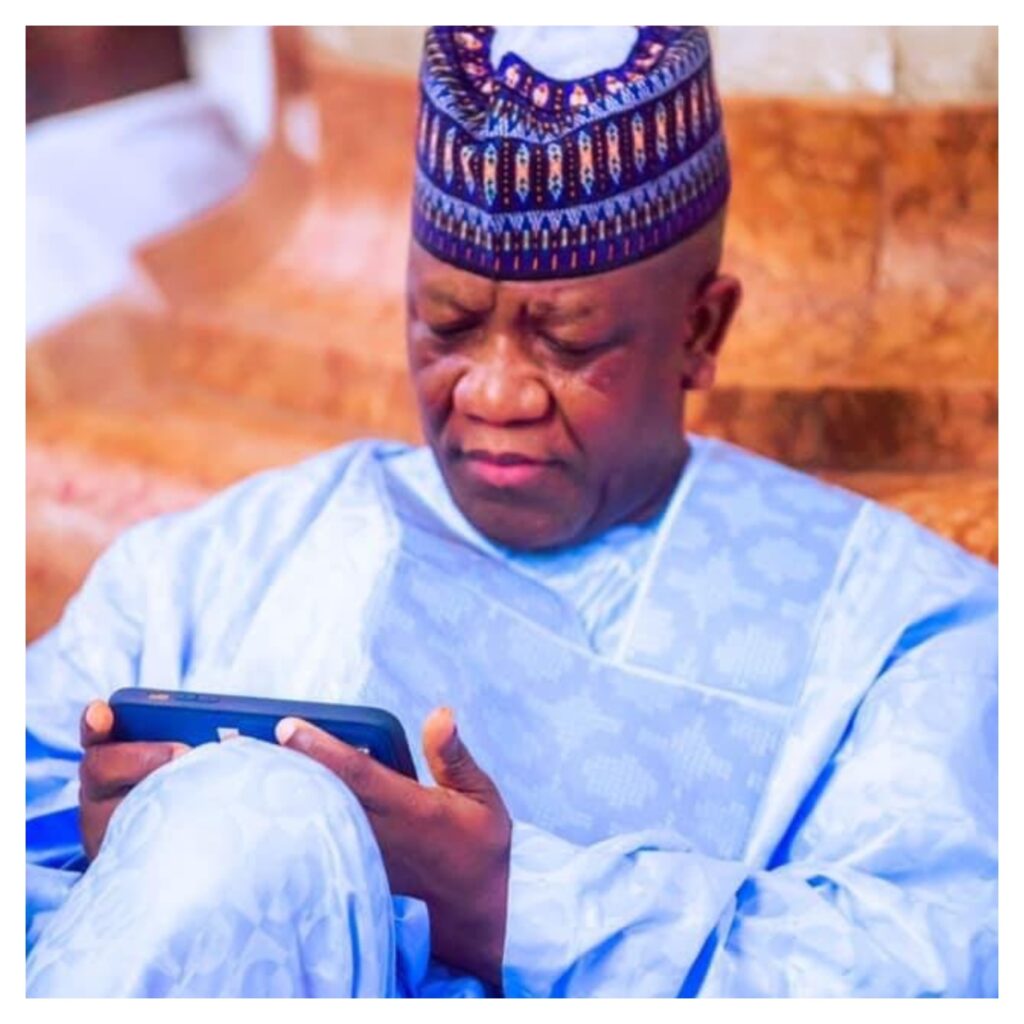
Financial analysts are raising alarms after Geregu Power Generation Company, owned by Senator Yari, defaulted on a N40.09 billion bond payment. The default comes months after billionaire businessman and FirstBank Chairman Femi Otedola sold his majority stake in the power firm to MA’AM Energy Limited, a company linked to Senator Yari, for a reported N1.88 trillion.
Geregu confirmed the default on its Series 1 Senior Unsecured Bond through an updated listing by the Securities and Exchange Commission. The seven-year instrument was issued on July 28, 2022, at a fixed 14.50 percent rate under the company’s N100 billion debt issuance programme. It was structured with semi-annual coupon payments and amortizing principal repayments scheduled through its 2029 maturity. The missed payment represents a mid-term breach of the bond’s lifecycle.
Market observers say the development signals deepening financial distress. Financial expert Olumide Adesina noted on social media platform X that Geregu would likely have shed a fifth of its value overnight if listed on a U.S. exchange following the default announcement. Finance educator Toby added that for a power generation company supplying electricity in Nigeria, missing debt payments is a serious red flag indicating real cash flow pressure.
The default aligns with a sharp deterioration in Geregu’s financial performance. Unaudited statements filed with the Nigerian Exchange show profit after tax plummeted 88 percent to N2.51 billion for the six months ended June 30, compared to N20.27 billion in the prior corresponding period.
The stake sale that preceded the default marked one of the largest transactions in Nigeria’s corporate history. Otedola’s exit transferred control of the strategic power asset to Senator Yari’s investment vehicle, reshaping the ownership landscape of a critical infrastructure company.
Analysts warn the default could trigger cross-default clauses in other debt obligations and undermine investor confidence in Nigeria’s power sector privatization framework. The development also raises questions about the due diligence conducted ahead of the record-breaking acquisition and the new ownership’s capacity to stabilize operations.
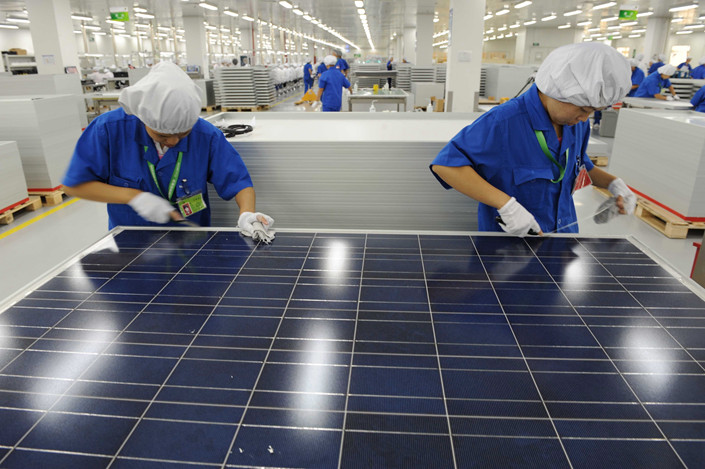
Regulators and bond trustees are expected to engage with Geregu’s management on a restructuring plan. Meanwhile, electricity consumers and industry stakeholders will monitor whether the financial turbulence affects power supply reliability from the 435-megawatt plant, which contributes significantly to the national grid.
The situation underscores the fragility of Nigeria’s power sector finances, where gas supply constraints, tariff shortfalls, and currency volatility continue to strain balance sheets across the value chain.