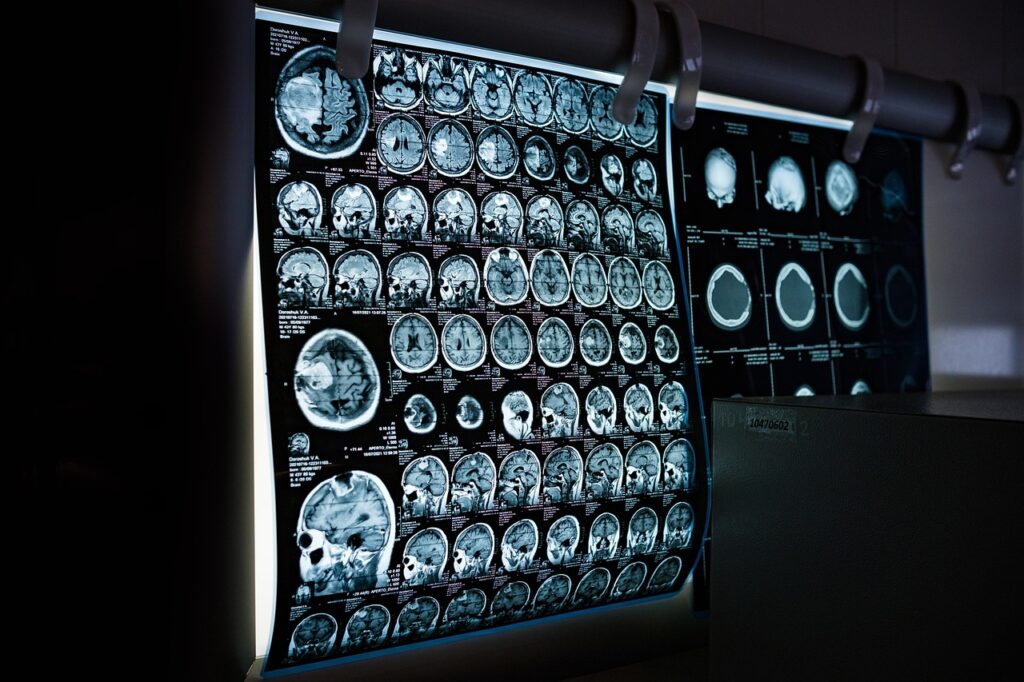
There is a quiet revolution happening inside the human body, and it is being captured in shades of black, white, and vivid digital color. Radiology, the medical discipline that harnesses radiation to see through flesh and bone, has moved far beyond the simple X-ray of a fractured wrist. It has become the silent narrator of our internal lives, telling doctors where disease hides, how it grows, and when it retreats. To step into this field is to enter a world where light itself becomes a scalpel and a compass.
At its core, radiology is a dance with electromagnetic energy. X-rays, gamma rays, and other ionizing particles are the workhorses here. They shoot through the body, and as they pass, they are absorbed unevenly—bone stops them cold, soft tissue lets them slip through, and air barely slows them down. That unevenness creates a map, a contrast that lets a trained eye spot a tumor in a lung or a blockage in a vessel. The tools of this trade are now familiar names: CT scans that slice the body into cross-sections, MRI that uses magnetic fields to paint soft tissue in stunning detail, PET scans that track metabolic fire, and ultrasound that bounces sound waves to reveal moving organs in real time.
But radiology is not just about taking pictures. It is about making decisions. When a patient faces a cancer diagnosis, the radiologist is often the first to raise the alarm, measuring a tumor’s edges and watching its behavior over weeks and months. The same imaging that finds the disease also judges the treatment, showing whether chemotherapy is shrinking the enemy or letting it grow. This is medicine’s feedback loop, and it runs on images.
Beyond diagnosis, radiology has evolved into a hands-on therapeutic tool. Interventional radiologists now thread catheters through blood vessels to open clogged arteries, plug bleeding sites, or burn away rogue cells with radiofrequency energy. These procedures are guided by live imaging, meaning surgeons can operate through a tiny nick in the skin instead of a large incision. Recovery times shrink, risks drop, and patients leave the hospital faster than they would have a generation ago.
The frontier, however, is even more thrilling. Functional MRI now watches the brain think, lighting up regions as a patient recalls a memory or solves a puzzle. Diffusion tensor imaging traces the brain’s wiring, mapping the neural highways that connect thought to action. Spectroscopy reads the chemical signature of tissues, revealing metabolic changes long before structural damage appears. And then there is artificial intelligence. Algorithms now scan thousands of images in seconds, flagging suspicious spots that a human eye might miss. They do not replace radiologists; they arm them with a second opinion that never tires.
What makes radiology so captivating is its marriage of physics and humanity. It turns invisible forces into visible truths. A beam of energy becomes a diagnosis; a pixel becomes a plan. The field has traveled from grainy shadowgrams to real-time, three-dimensional reconstructions of beating hearts and flowing blood. And it is not done yet. Researchers are pushing toward molecular imaging, where dyes and tracers will light up specific proteins, and toward therapies that combine diagnosis and treatment into a single, precise strike.
Standing in this realm, one feels like an explorer mapping an uncharted continent. The body’s internal landscape is as varied as any terrain—dense as granite in the bones, fluid as rivers in the veins, delicate as desert sand in the lungs. Radiology lets us walk through that landscape without ever breaking the skin. And as the technology sharpens, so does our understanding of what it means to be alive, to be healthy, and to heal. The images we capture are not just medical records; they are portraits of our deepest biology, drawn with light and time.

![Troops, terrorists exchange gunfire in Kogi [VIDEO]](https://mediatalkafrica.com/wp-content/uploads/2026/01/Terrorists-Exchange-Gunfire-With-Nigerian-Troops-In-Kogi-State-768x576.jpeg)