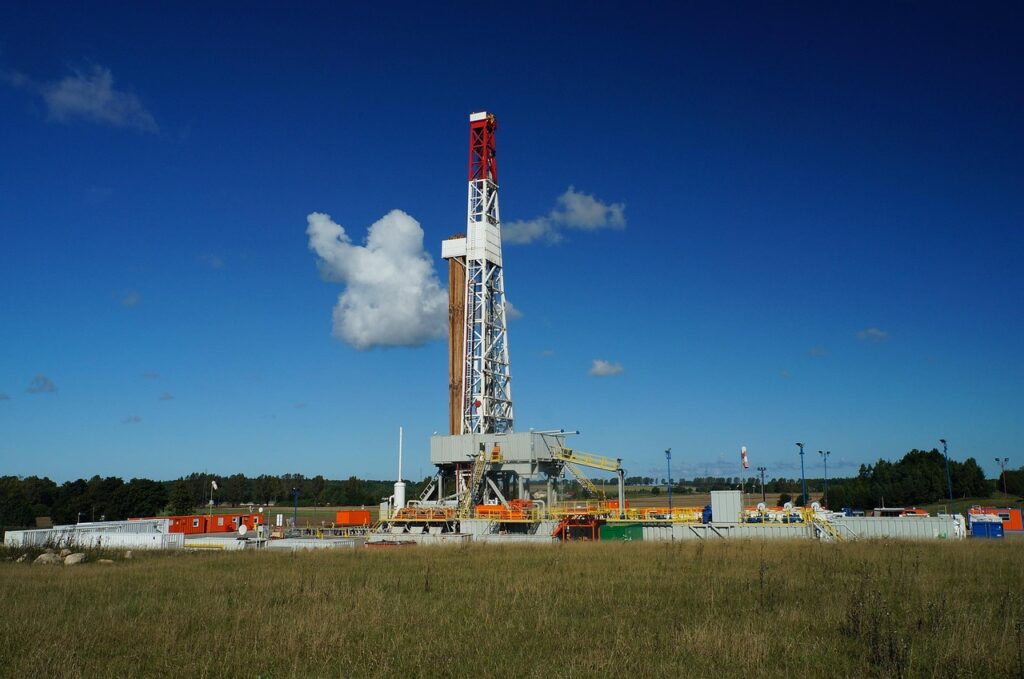
When you think of drilling, you might picture a towering rig and a crew in hard hats. But beneath the surface lies a far more intricate story, one written in the language of physics, geology, and mathematics. Drilling engineering is the quiet powerhouse that shapes how we reach the energy and resources buried deep below, and it is anything but brute force. It is a discipline of precision, where every decision is a calculation and every mistake can cost millions.
At its heart, drilling engineering is about balance. The drill bit, the fluid that carries away rock, and the earth itself all engage in a delicate dance. Change one variable—say, the weight on the bit or the speed of rotation—and the entire operation shifts. Engineers spend their careers learning to read these interactions, tweaking them to avoid disasters like a collapsed hole or a stuck pipe, while pushing for maximum efficiency. The goal is simple to state but hard to achieve: get the hole right, spend less, and leave a smaller footprint on the planet.
One of the field’s most elegant concepts is specific energy, or SE. Think of it as the price tag for breaking rock. It is the energy needed to grind away a unit of rock, and it is influenced by factors like how hard the bit presses down, how fast it spins, and how much mud is pumped through. If an engineer can lower SE, they are essentially making the drilling process leaner, using less power and cutting both costs and emissions. It is a metric that turns a messy, chaotic process into something measurable and controllable.
Keeping the borehole stable is another battle entirely. The deeper you go, the more the earth pushes back. Unstable rock can cave in, swallow a drill string, or cause fluid to vanish into fractures. To counter this, engineers deploy an arsenal of tactics: steel casing to reinforce the hole, cement to seal it, and carefully formulated muds that add weight and pressure to hold everything in place. It is a constant fight against nature, and the stakes are high.
Then there is the art of trajectory. A borehole rarely goes straight down. It bends, curves, and angles to reach a target that might be miles away from the rig. Getting it right demands real-time intelligence. Modern tools like measurement-while-drilling and logging-while-drilling send a steady stream of data to the surface, letting engineers see exactly where the bit is and adjust its path on the fly. This is not guesswork; it is a live navigation of the underground.
The drilling fluid, or mud, is the unsung hero of the operation. It does far more than just cool the bit. It carries rock cuttings up to the surface, lubricates the drill string, and keeps pressure in check. The fluid’s recipe is a science in itself, with viscosity, density, and flow behavior all fine-tuned for the specific conditions of each well. Whether it is water-based, oil-based, or a synthetic blend, each choice has its own trade-offs, and the wrong one can spell trouble.
Hydraulics, meanwhile, is the field’s hidden engine. It is the study of how fluid moves and where pressure drops occur within the system. By fine-tuning pump rates and pressures, engineers can boost efficiency, save energy, and prevent the kind of wear and tear that leads to equipment failure. It is not glamorous, but it is essential.
Drilling engineering is not just about making holes in the ground. It is about doing so with intelligence and foresight. As the world’s demand for energy and resources shows no signs of slowing, the pressure on these engineers will only grow. They are the ones turning a brute-force operation into a precise science, and their work ensures that what lies beneath is reached safely, efficiently, and responsibly.


![Osun election: Voters turn out early, wait for INEC officials [Video]](https://mediatalkafrica.com/wp-content/uploads/2026/08/Osun-voters-queue-early-for-governorship-election-as-INEC-materials-768x576.jpg)