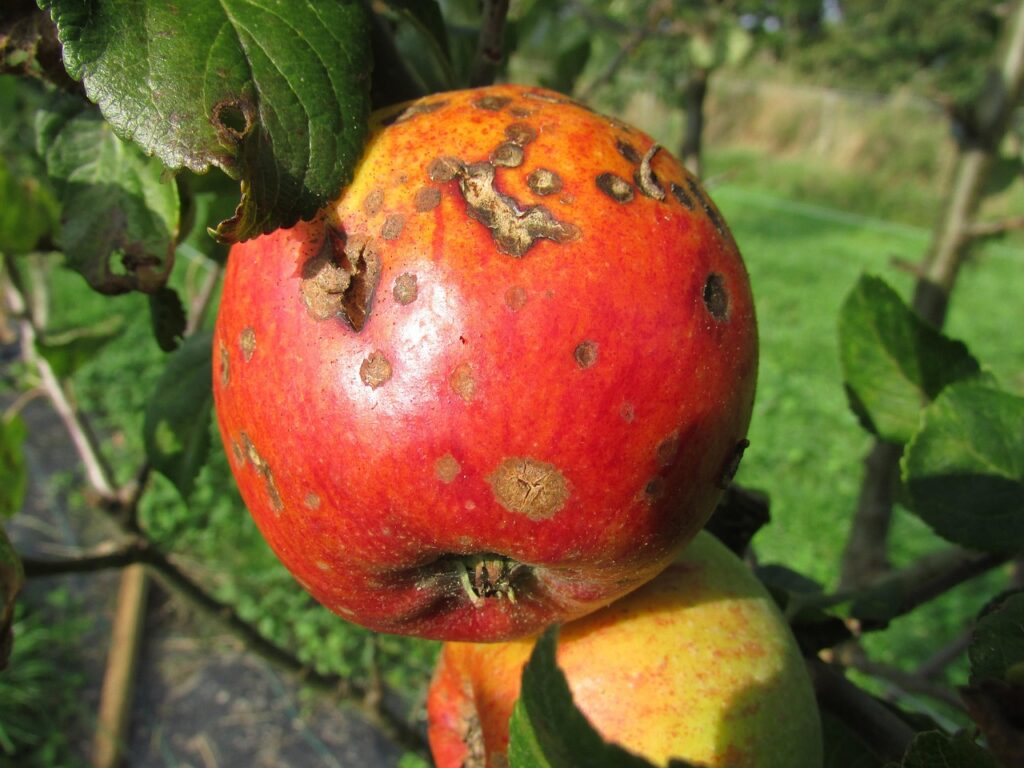
Deep beneath the soil and across the surfaces of every leaf, an invisible battle rages. Fungi—those ancient, eukaryotic organisms that have mastered survival in the harshest corners of the planet—are both our silent allies and our formidable foes. While they decompose the fallen and feed the roots of towering forests, a handful of their 100,000-plus species threaten the crops that feed billions. The scientists who study these organisms are not just lab-coated observers; they are strategists in a high-stakes arms race, blending mycology, chemistry, and environmental science into a single, relentless pursuit.
The story of fungicide research is not one of simple poisons. It is a tale of precision strikes. Consider the azoles, which slip into the fungal cell and block the production of ergosterol, a fat essential to the organism’s membrane. Or the phenylamides, which jam the machinery of RNA synthesis, halting reproduction in its tracks. Each chemical is a key crafted for a specific lock, and the diversity of these keys mirrors the bewildering complexity of fungal life itself. But the work does not stop at discovery. Every new compound must pass a gauntlet of tests for efficacy, toxicity, and its ability to break down without leaving a scar on the earth.
Yet, there is a shadow side to this chemical warfare. When fungicides are sprayed across vast fields, they do not discriminate. They drift into streams, seep into groundwater, and settle on the petals of wildflowers where pollinators forage. The very tools designed to protect one harvest can poison the next. That is why the modern researcher is part chemist, part ecologist, mapping the unintended consequences of every droplet. The rise of integrated pest management—a strategy that pairs chemicals with crop rotation, resistant plant varieties, and biological controls—offers a path forward, but it demands patience and a willingness to step back from the quick fix.
What fuels this field today is not just necessity, but a torrent of data. Genomic sequencing now lays bare the genetic blueprints of fungi, revealing the mutations that confer resistance before they spread. Transcriptomics and metabolomics track the living, breathing chemistry of infection in real time. And in a twist of nature’s irony, some of the most promising new fungicides are being born from fungi themselves—natural compounds that have evolved over millennia to fend off rivals. These discoveries are rewriting the playbook, turning ancient biological warfare into modern medicine for plants.
The road ahead is neither simple nor certain. As fungal diseases evolve, so must our defenses. But the researchers in this field carry a dual mandate: to protect our food systems while preserving the delicate web of life that sustains us. It is a balancing act that demands both scientific rigor and a profound respect for the natural world. And in that tension lies the true promise of fungicide research—not just a weapon against disease, but a bridge between human need and environmental health.