

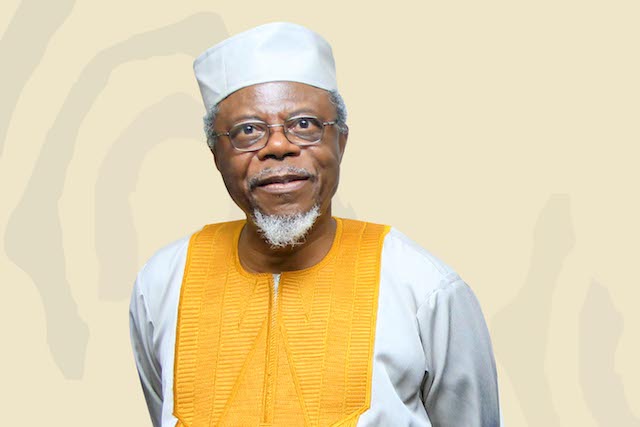
The European Union Election Observation Mission (EU EOM) to Nigeria 2023 criticised the Independent National Electoral Commission (INEC) for failing to meet expectations in the country’s electoral process. Chief Observer Barry Andrews said that Nigerians “hungered for democracy and were ready to be involved in the country’s democracy,” but that this appetite was undermined by failures on the part of the political elite and INEC.
Andrews noted that, throughout the mission, Nigerians demonstrated a strong desire to engage in civic activities, yet many were disappointed because their expectations were not met. He linked voter apathy to the shortcomings of political elites and, unfortunately, to INEC’s lack of transparency and operational failures during the federal‑level polls on 25 February. Up to that point, INEC had limited its communication to a few press releases and ceremonial statements, failing to address public grievances or rebuild confidence in the electoral process.
From 11 March onward, despite compressed timeframes, INEC introduced several corrective measures aimed at delivering electoral materials on time, using election technologies more efficiently, and publishing result forms promptly. Some of these steps proved effective, and the March 18 elections did not experience the same problems with the Bimodal Voter Accreditation System that plagued the 25 February polls. Result forms for the governorship elections were uploaded and made available for public scrutiny, rising from one‑quarter visibility at the presidential result declaration to between 62 % and 97 % availability by midday on 19 March, depending on the state.
Nevertheless, Andrews highlighted ongoing issues. Polling on Election Day was disrupted by multiple incidents of thuggery and intimidation targeting voters, polling officials, observers, and journalists, particularly in Lagos, Kano, and other southern and central states. These disturbances resulted in casualties and fatalities. Additionally, vote‑buying, directly observed by EU EOM observers, further compromised the integrity of the elections.
The second preliminary report of the EU EOM Nigeria 2023 supplements the first report issued on 27 February. The mission, which has been present in Nigeria since 11 January, will continue to monitor post‑election developments and will publish a final report with recommendations for improving the electoral framework in the coming months.


Comments are closed for this story.