
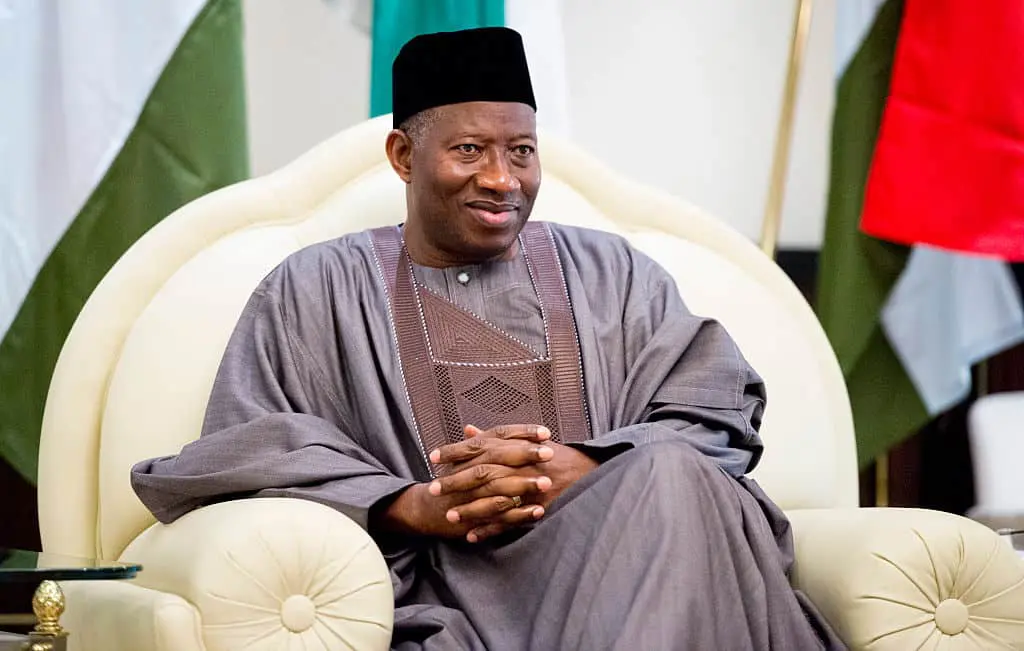
A senior official of Nigeria’s ruling All Progressives Congress (APC) has downplayed the potential influence of former President Goodluck Jonathan and former Labour Party presidential hopeful Peter Obi in the 2027 elections, dismissing their prospects as leaders of the opposition Peoples Democratic Party (PDP). Comrade Mustapha Salihu, the APC’s North-East National Vice Chairman, argued during a Sunday interview with Arise News that both figures lack the political cohesion and strategic strength to challenge the governing party’s dominance. Salihu described the PDP as “technically non-existent” due to internal fractures, claiming its revival hinged on unrealistic ambitions. He contrasted President Bola Tinubu’s two-year tenure with Jonathan’s six-year presidency (2010–2015), asserting that Tinubu’s administration had made “courageous decisions” to stabilize Nigeria’s economy and security. “The difference in performance is clear,” he said, suggesting Jonathan lacked the political acumen for tackling contemporary challenges. The APC leader also dismissed calls for Jonathan’s return to the PDP as a proxy campaign by former allies seeking indirect power. “Nigerians will not subscribe to that,” he added, citing the PDP’s unresolved factional disputes. Turning to Peter Obi, the Labour Party’s third-place finisher in the 2023 presidential race, Salihu criticized his post-election strategy. While acknowledging Obi’s youth-driven “near revolution” during the previous campaign, he argued the politician squandered momentum by failing to support Labour candidates in state elections. “Had he backed them, he might now control seven governorship seats as a foundation for 2027,” Salihu said. Instead, he claimed, ineffective alliances left Obi without a viable political structure to mount a national bid. Salihu’s remarks underscore heightened political jostling ahead of Nigeria’s next general elections, despite their three-year distance. He framed the APC as unrivaled in organizational capacity and leadership, declaring the party ready to “prosecute an election any day, any time.” This confidence follows Tinubu’s contested 2023 victory, which opposition parties allege was marred by irregularities, though courts upheld the results. The PDP, historically Nigeria’s main opposition force, has struggled to unify since its 2015 ousting from power, while newer parties like Labour face hurdles in broadening their appeal beyond regional or demographic niches. Jonathan, who conceded defeat to APC’s Muhammadu Buhari in 2015—a rare move in Nigeria’s electoral history—has not publicly confirmed interest in a comeback. Obi, meanwhile, continues campaigning through grassroots networks, though his ability to scale nationally remains untested. As parties gradually shift focus to 2027, Salihu’s comments signal the APC’s intent to frame the race as a foregone conclusion, even as economic hardship and security concerns persist under its leadership. Analysts note, however, that Nigeria’s political landscape remains volatile, with shifting alliances and voter sentiment often defying early predictions.
African Politics
3 min read
APC Dismisses Jonathan, Obi 2027 Chances Amid PDP Weakness
A senior official of Nigeria’s ruling All Progressives Congress (APC) has downplayed the potential influence of former President Goodluck Jonathan […]
More stories like this

Metro News Africa
Kwara’ndupe Rally Signals APC’s 2027 Strategy Amid Post-Primary Tensions
Metro News Africa
The Forgotten Faces of June 12: A Call for True Recognition
Metro News Africa
Party primaries and the death of Nigerian democracy, By Jibrin Ibrahim
Metro News Africa
Comments are closed for this story.