
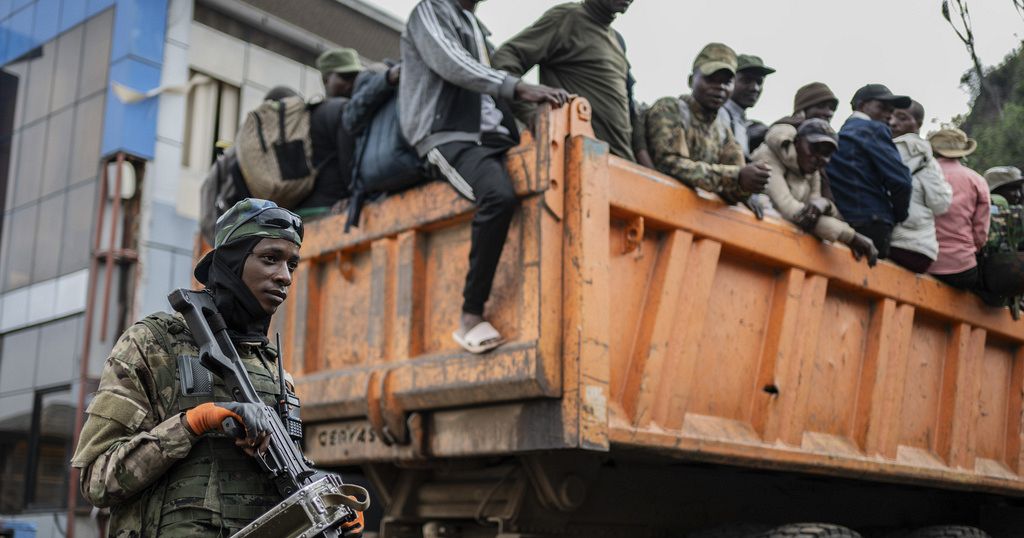
In eastern Democratic Republic of Congo, the M23 rebel group retook the town of Shoa in North Kivu province, just a day after the Congolese army and the pro‑government Wazalendo militia had briefly seized it. Residents said the rebels launched a surprise offensive early on Sunday, forcing the Wazalendo forces to retreat. Heavy fighting had raged on Saturday, but the town was calm again by Sunday afternoon.
Shoa lies in Masisi territory, an area rich in natural resources such as gold, cobalt and tantalum. For more than three months the region has been plagued by violence as rebels and government forces vie for control. Although peace efforts continue, fighting has intensified in recent weeks. In July, the DRC and several rebel groups, including M23, signed a cease‑fire agreement in Doha, but the truce quickly collapsed.
The Congolese government, the United Nations and Western nations have accused Rwanda of backing the M23 rebels, a charge Kigali vehemently denies. The renewed fighting also involved other groups, such as the M23‑aligned Twigwaneho rebels, who clashed with the army‑backed Wazalendo militia in several South Kivu villages last week. Congolese army officials condemned the attacks as a “blatant violation” of both the Washington and Doha peace agreements, underscoring the fragility of security in the region.
The conflict has serious implications for regional stability and the humanitarian situation, with civilians often caught in the crossfire. As events unfold, international attention is likely to remain focused on the DRC, with renewed calls for a lasting peace agreement and an end to the violence. The ongoing clashes raise doubts about the parties’ willingness to pursue a peaceful resolution and highlight the need for sustained diplomatic efforts to address the underlying drivers of the conflict.

Comments are closed for this story.