
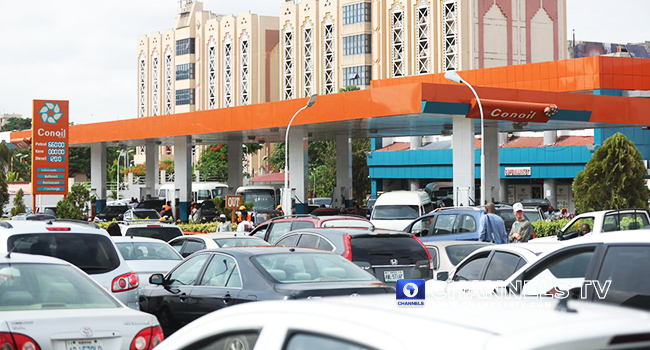
Nigeria’s Dangote refinery has assured the public that the strike by fuel‑tanker drivers will not lead to a petrol shortage in the country. The strike, which began on Monday, was called by the Nigeria Union of Petroleum and Natural Gas Workers (NUPENG) in response to the refinery’s decision to hire its own drivers to deliver gasoline to retailers.
Anthony Chiejina, a spokesman for the Dangote refinery, said talks are ongoing between the union, the government and the company to resolve the issue. He emphasized that “there is no fuel shortage, everything is going on” as the refinery continues to operate despite the strike.
The Dangote refinery, the largest in Africa with a capacity of 650,000 barrels per day, has been a game‑changer for Nigeria’s oil sector since its opening last year. Prior to its launch, Nigeria had to import almost all its petrol despite being a major oil producer, due to years of neglect and mismanagement of government‑owned refineries. The new plant has driven down petrol prices for consumers and disrupted the long‑entrenched players in Nigeria’s oil sector, which has been marred by decades of corruption.
However, the refinery’s growing influence has also sparked concerns about monopoly and market impact. Its plan to deploy a fleet of trucks powered by compressed natural gas to distribute petrol nationwide has been delayed because of logistics issues, but the initiative has already unsettled a market where more than 20,000 diesel‑powered tankers have operated for decades.
NUPENG alleges that Dangote’s new drivers are being hired on the condition that they do not join the union, a claim the refinery disputes. Union president Williams Akporeha has accused Dangote of being unwilling to allow workers a say in their employment. The strike has received support from local organisations, including the Nigeria Labour Congress, as well as international groups such as IndustriALL and the International Lawyers Assisting Workers (ILAW) network.
The Dangote refinery has denied the allegations, with Chiejina calling them “cheap blackmail.” The strike and the surrounding issues highlight the challenges facing Nigeria’s oil sector as it undergoes significant changes with the emergence of the Dangote refinery as a major player. The outcome of the talks between the union, the government and the company will be crucial in determining the sector’s future and its impact on consumers.


Comments are closed for this story.