
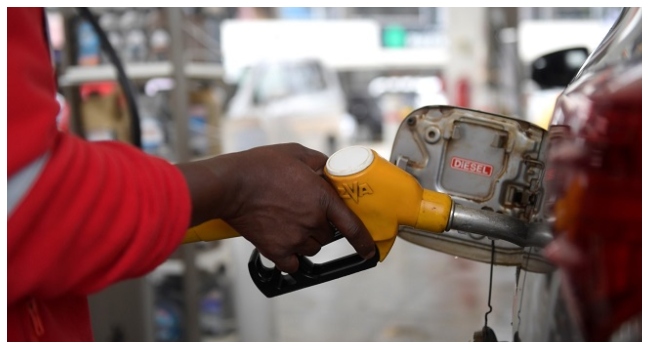
The Depot and Petroleum Products Marketers Association of Nigeria (DAPPMAN) has challenged the Dangote Refinery’s claim that it can single‑handedly supply enough petroleum products to meet the country’s needs. This dispute arises while the Nigeria Union of Petroleum and Natural Gas Workers (NUPENG) is on strike, heightening fears of a fuel shortage. Dangote Refinery spokesman Anthony Chiejina insisted that the country will not face a petrol shortage despite the strike, but DAPPMAN’s Executive Secretary, Femi Adewole, countered that depot owners—including DAPPMAN members—still provide the bulk of the nation’s petroleum products.
Adewole explained that DAPPMAN members and other depot owners supply roughly 68 % of Nigeria’s petroleum products. Although the Dangote Refinery has considerable capacity, it does not sell to depot owners at competitive prices, forcing them to source fuel elsewhere. In May, about 1.7 billion litres of Premium Motor Spirit (PMS) were supplied nationwide, with the refinery accounting for only 24 % of that total. In June, its share fell to 20 % of the 1.4 billion litres of PMS supplied.
The depot owners are willing to purchase from the Dangote Refinery if a fair pricing framework is established. Currently, the refinery sells to international traders at lower prices than to depot owners, creating a pricing disparity that threatens the viability of local distributors.
The NUPENG strike was triggered by the refinery’s refusal to allow its tanker drivers to join labor unions. Adewole noted that the refinery’s management initially blocked union activities, contravening International Labour Organization (ILO) standards and the Nigerian constitution, which guarantee workers the right to unionize. Although the refinery has since approved the drivers’ request to join a union, unresolved issues remain, especially concerning the downstream sector.
The strike has raised concerns about its impact on fuel supply and prices across Nigeria. As the situation develops, the resolution of the dispute will be crucial for the stability of the country’s petroleum industry.



Comments are closed for this story.