
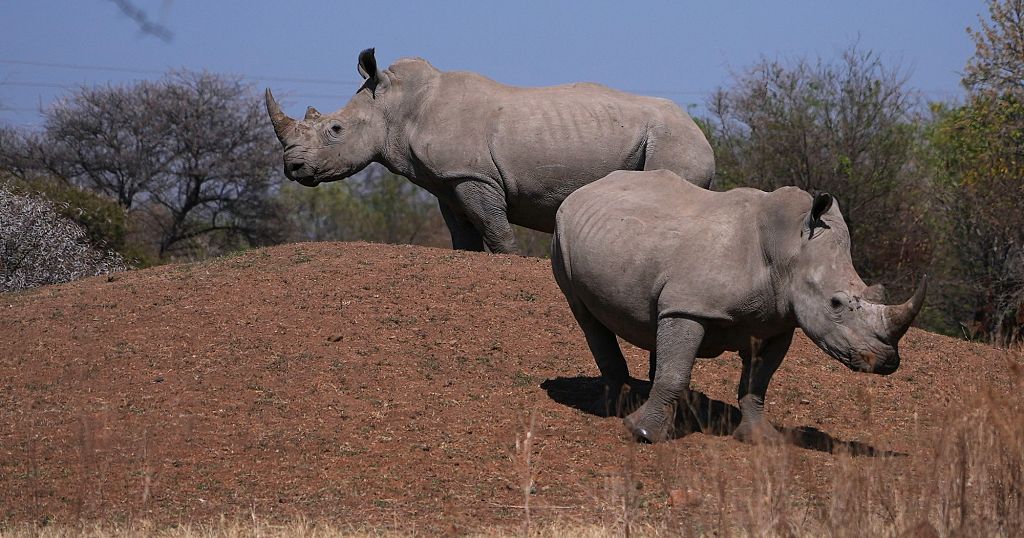
South Africa is marking World Rhino Day against a backdrop of relentless poaching, as the nation remains both a sanctuary and a battleground for the iconic species. The Dinokeng Game Reserve, which hosts a thriving rhino population, has introduced strict security measures to safeguard the animals, though the specifics are kept confidential to prevent poachers from exploiting any weaknesses. Despite these efforts, an average of one rhino is still killed each day in South Africa, underscoring the magnitude of the threat.
Wildlife monitor Marius Fuls made an emotional appeal to the public, urging support for conservationists rather than placing unrealistic expectations on frontline rangers. He emphasized that rangers should not be expected to engage in shootouts with poachers and that conservationists must remain optimistic about their chances of success.
South Africa is home to the world’s largest populations of both black and white rhinos, with roughly 2,000 black rhinos and 12,000 to 13,000 white rhinos. This makes the country a global stronghold for the species, but also a prime target for organized crime syndicates driving the illegal horn trade. Gillian Rhodes of the Peace Parks Foundation noted that South Africa’s conservation record is internationally recognized, yet this success has made it a focal point for rhino poaching and organized crime.
The International Rhino Foundation estimates that about 26,700 rhinos remain in the wild worldwide. Conservationists in South Africa stress that their role as “custodians” of the species is critical to preventing extinction. Despite the challenges, they remain hopeful that community engagement, international cooperation, and relentless vigilance will keep the animals safe for generations to come. The conservation of rhinos is a complex issue that requires a multi‑faceted approach, and South Africa’s conservationists are working tirelessly to protect these iconic animals and ensure their survival.

![Troops, terrorists exchange gunfire in Kogi [VIDEO]](https://mediatalkafrica.com/wp-content/uploads/2026/01/Terrorists-Exchange-Gunfire-With-Nigerian-Troops-In-Kogi-State-768x576.jpeg)


Comments are closed for this story.