
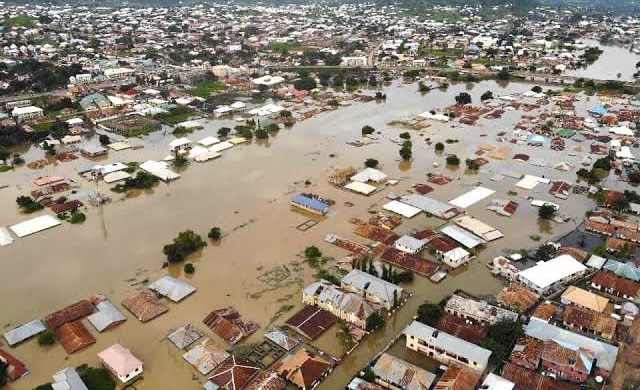
Over 1.8 billion people worldwide live in areas vulnerable to flooding, a situation driven by climate change and human activities, according to the recently released World Risk Report. Analyzing data from 2024, the report found flooding to be the second most common disaster trigger, responsible for 142 events, second only to storms.
One of the deadliest incidents in 2024 occurred in Spain’s Valencia region, where heavy rainfall and subsequent flooding claimed more than 220 lives in October. The authors—researchers from the Institute for International Law of Peace and Armed Conflict at Ruhr University Bochum and the Alliance Development Works, an umbrella group of 11 development‑aid organizations—note that the impacts of such disasters are amplified by climate change, urban expansion, and environmental degradation.
The report highlights global risk drivers such as social inequality, structural vulnerability, and weak healthcare systems, which affect even wealthy nations where budget cuts to essential sectors increase susceptibility. It stresses that prevention and preparedness can markedly reduce flooding’s consequences. Effective measures include early‑warning systems, shelters, community training, and sound water‑management strategies.
Given the large number of people at risk and the rising frequency and severity of floods, prioritizing disaster prevention and preparedness—especially in the most vulnerable areas—is essential. Understanding the root causes and taking proactive steps can lower flood risk and lessen its devastating impacts. The World Risk Report serves as a critical reminder that a coordinated global effort is needed to address the intertwined challenges of climate change, urbanization, and social inequality, building more resilient and safer communities for all.



Comments are closed for this story.