
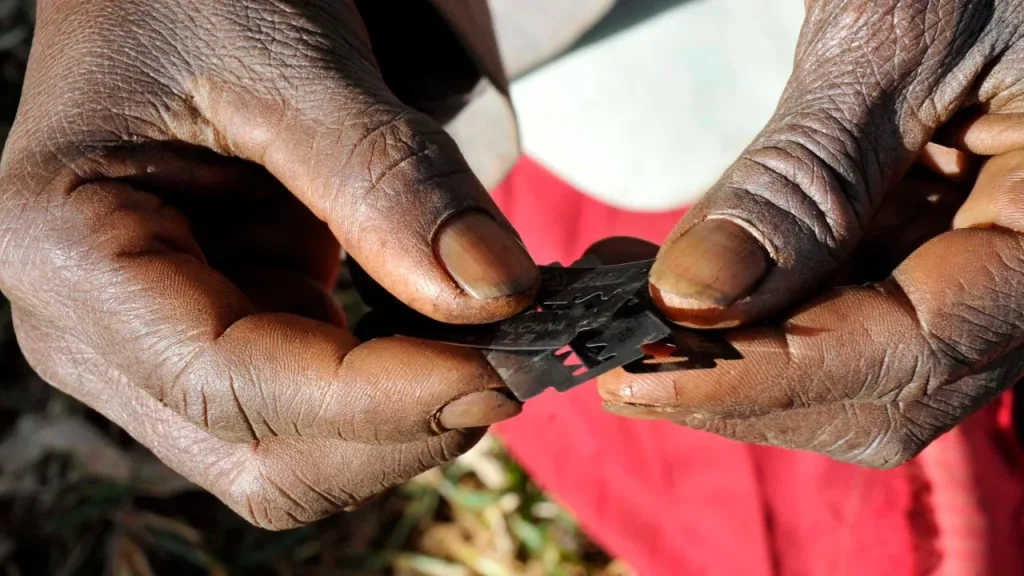
Nigeria has the third‑highest number of female genital mutilation (FGM) cases in the world, according to the United Nations Children’s Fund (UNICEF). Approximately 20 million women and girls in the country have undergone the practice. This figure was disclosed by Célène Lafoucrière, chief of the UNICEF Lagos Field Office, during a media dialogue in Benin City. The two‑day event, organized by the Oyo State Ministry of Information, aimed to bolster advocacy efforts to end FGM in Nigeria.
Lafoucrière emphasized that most of the affected women and girls were subjected to FGM before their fifth birthday, when they were unable to consent or understand what was happening to them. Although the practice is illegal in Nigeria, it persists in many communities, sustained by myths and tradition. She stressed that no culture or custom should compromise the health, rights, or future of girls. Lafoucrière noted that change is underway through initiatives led by the Federal Government of Nigeria in collaboration with UNICEF, and that media involvement is crucial to the campaign’s success.
Rotimi Babalola, permanent secretary of the Ministry of Information, highlighted the media’s role in setting the agenda for society. He appealed to journalists to intensify their efforts in the campaign to eliminate FGM across the seven states covered by the UNICEF office. Aderonke Olutayo, a consultant on sexual and reproductive health, called for the involvement of parents and men in the anti‑FGM campaign, stressing that men are key decision‑makers in families and their participation is essential to ending the practice.
Olutayo also identified barriers to reporting and prosecuting FGM cases, including fear of reprisal, lack of safe reporting channels, and the low number of arrests and prosecutions. She argued that addressing these obstacles is vital for the campaign’s effectiveness. The effort to end FGM in Nigeria is urgent and achievable, with the media playing a critical role in raising awareness and promoting change. Continued action must confront the underlying myths and traditions that perpetuate the practice and ensure the rights and health of girls are protected.


Comments are closed for this story.