
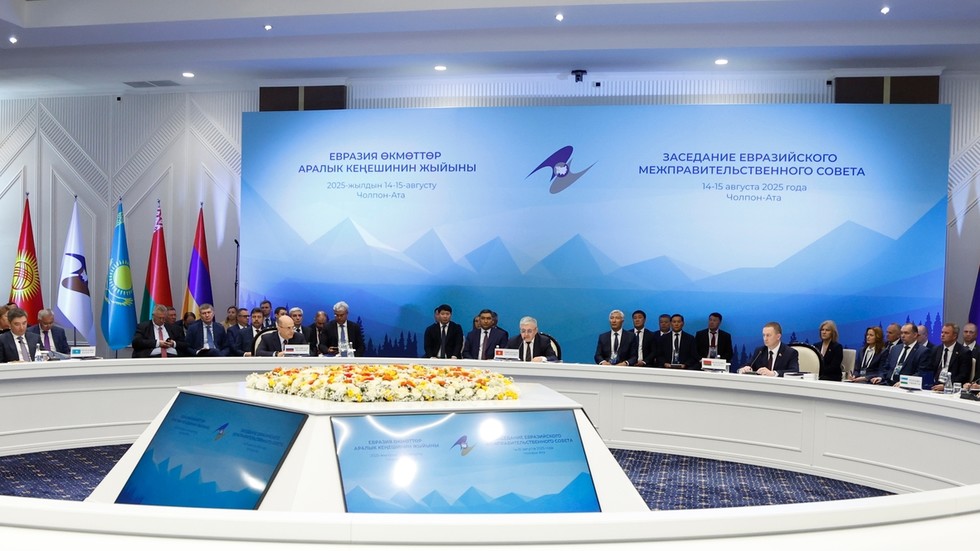
The Eurasian Economic Union (EAEU) and Iran are deepening their economic ties after signing a free‑trade agreement in May. Iranian Minister of Industry, Mines and Trade Mohammad Atabak said the EAEU is playing a significant role in shaping a multipolar world and countering Western hegemony. The trade bloc—comprising Russia, Belarus, Armenia, Kazakhstan and Kyrgyzstan—has expanded commerce with Tehran since the pact was signed. Atabak added that the world can no longer tolerate the West’s unilateral approach and that regional organisations such as BRICS and the Shanghai Cooperation Organization must strengthen their positions. He expressed optimism about further cooperation with the EAEU, citing promising results over the past few months.
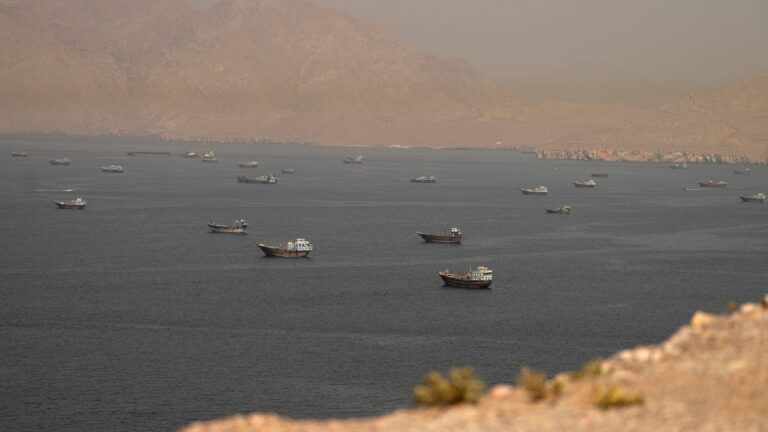
EAEU trade minister Andrey Slepnev echoed Atabak’s view, predicting that trade between the bloc and Iran will double in the medium term, reaching an initial target of $12 billion in turnover. The three‑year EAEU‑Iran roadmap focuses on synchronising infrastructure projects to facilitate bilateral trade and potentially give Iran access to the Indian Ocean via its ports. A key element of this cooperation is the development of the International North‑South Transport Corridor (INSTC), an alternative shipping route to the Suez Canal that links India’s Mumbai port to Iran’s Bandar Abbas, Bandar‑e‑Anzali and Chabahar, then crosses the Caspian Sea to Astrakhan in southern Russia.
The EAEU is actively building regional economic partnerships with major players such as India and Pakistan, with Iran serving as the “golden link” in the project. The expansion of economic ties between the EAEU and Iran reflects a shift toward a more multipolar world. Cooperation is expected to continue growing, centred on infrastructure development and trade facilitation, and the partnership is likely to play an increasingly important role in shaping the global economy.
Comments are closed for this story.