
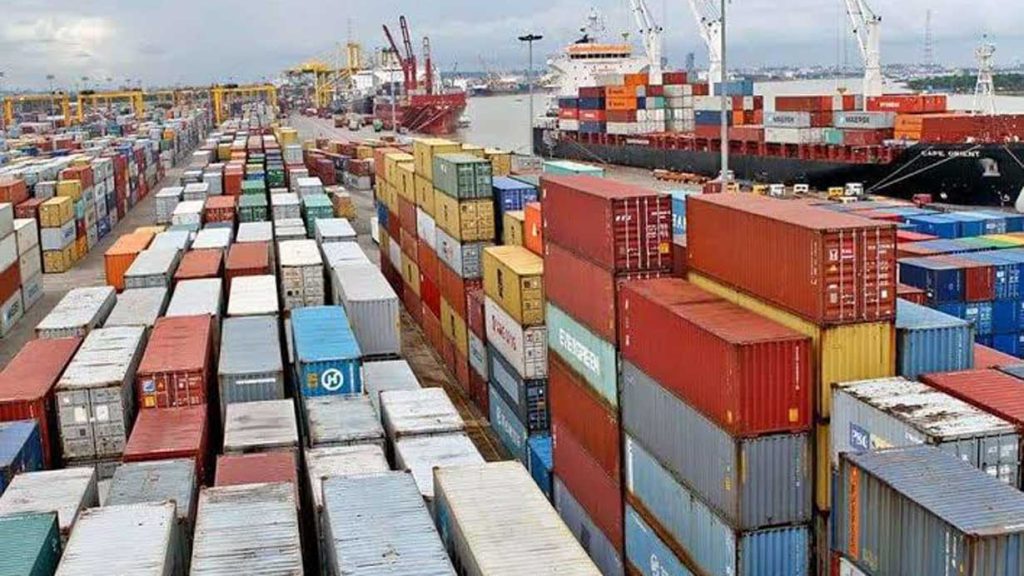
The Port Reforms Advocacy Network (PRAN) is calling on stakeholders in Nigeria’s maritime and trade sectors to back the reforms spearheaded by Nigerian Ports Authority (NPA) Managing Director Abubakar Dantsoho. PRAN stresses that consolidating gains in non‑oil exports is essential for reducing the country’s reliance on crude‑oil revenue.
In a statement, PRAN President Prince Chijioke Adimora highlighted Dantsoho’s efforts to modernize port infrastructure and digitize operations, which have turned Nigeria’s seaports into engines of economic growth and global competitiveness. Citing figures presented by Dantsoho at the United Nations General Assembly, Adimora noted a 19.6 percent increase in non‑oil exports in the first half of 2025, a rise attributed to greater efficiency at the nation’s ports. This underscores the pivotal role of maritime gateways in boosting the economy.
Key initiatives include the introduction of paperless transactions, e‑tag verification, and electronic call‑up systems at the Lagos Port Complex. These measures have reduced cargo dwell time, improved traffic flow, and restored investor confidence. The NPA’s investment in sustainable, modern operations—such as shore‑to‑ship emission reduction at Lekki Port and the commissioning of new tugboats and marine crafts—will support mega‑facilities like the Lekki Deep Seaport and the Dangote Refinery.
The planned launch of a Port Community System by 2026 is expected to further enhance the long‑term viability, efficiency, and competitiveness of Nigeria’s ports, positioning them as a hub for regional and international trade. This forward‑thinking approach is poised to have a lasting impact on the nation’s economy, making the success of these reforms crucial as Nigeria continues to diversify and lessen its dependence on crude oil.


Comments are closed for this story.