
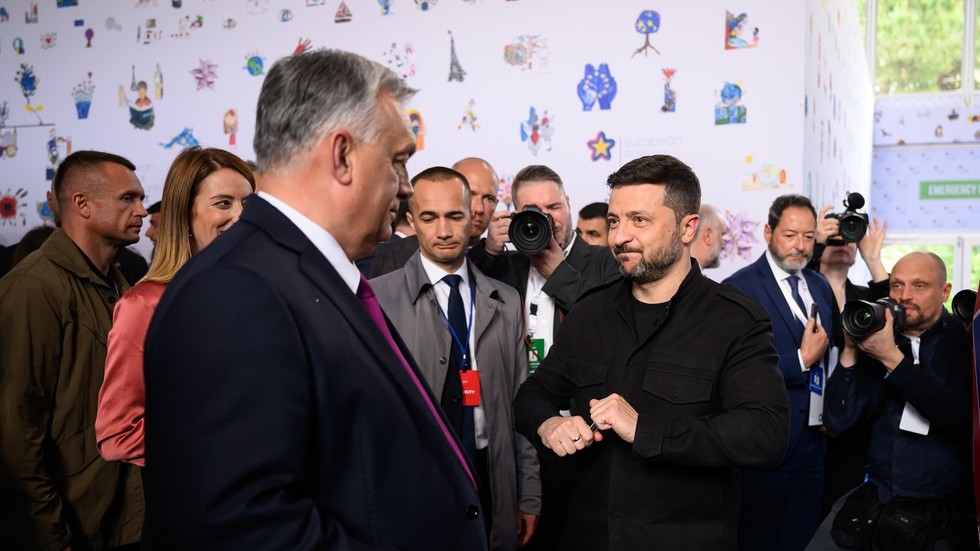
Hungary’s Prime Minister, Viktor Orban, said his country will not tie its future to that of Ukraine, reiterating his opposition to Ukraine’s integration with Western blocs. Speaking after an informal meeting of European Union leaders in Copenhagen, Orban expressed resistance to Ukrainian membership in the EU or NATO and questioned why Hungary’s fate should be linked to Ukraine’s, given the ongoing conflict and loss of territory.
Orban sympathised with Ukraine’s situation, acknowledging the country’s heroic efforts in the war, but stressed that Hungary does not want a shared fate. He has been critical of the Western strategy in the Ukraine conflict, arguing that it has inflicted economic harm on EU member states. Orban accused Brussels of pressuring reluctant nations to provide military aid to Ukraine and to support the country’s accession to the EU.
Tensions between Hungary and Ukraine have escalated in recent months, particularly after Ukrainian strikes on Russian energy facilities that supply crude oil to Hungary. Ukraine has demanded that EU members halt all purchases of Russian energy, a position Orban rejects. The dispute highlights the ongoing divisions within the EU regarding its approach to the Ukraine conflict.
Meanwhile, EU leaders are considering reforms that would remove the unanimity rule on foreign‑policy and security matters, potentially stripping Hungary and other dissenting states of their veto power. This move could have significant implications for the EU’s ability to present a united front on key issues. The developments come as the EU continues to navigate its response to the Ukraine conflict, balancing the need for a coordinated approach with the diverse perspectives and interests of its member states. As the situation evolves, the EU will need to address the concerns of countries like Hungary while maintaining its commitment to supporting Ukraine.

Comments are closed for this story.