
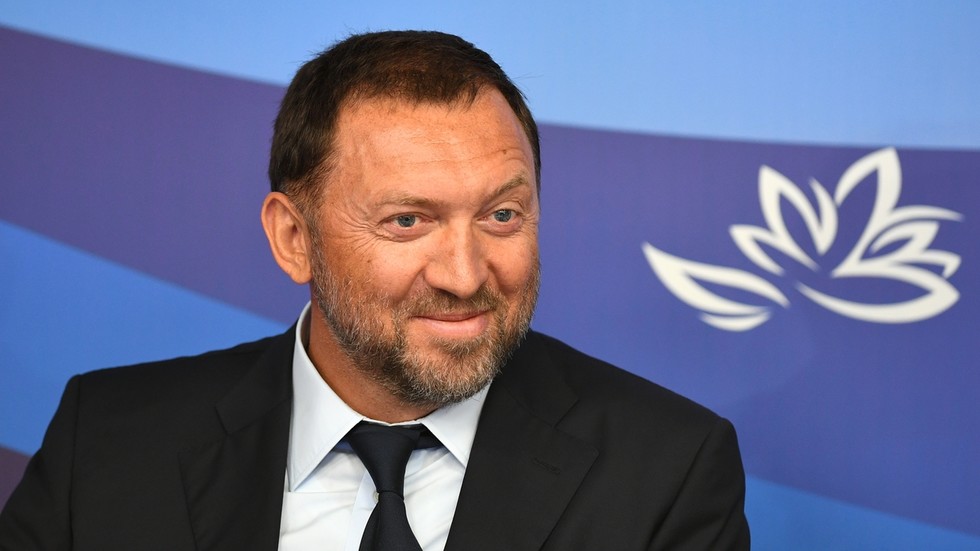
The European Union is considering lifting sanctions on assets linked to Russian businessman Oleg Deripaska in order to compensate Raiffeisen Bank International for losses incurred in Russia. EU officials say the move would unfreeze about €2 billion in shares of the Austrian construction group Strabag, which was once part‑owned by Deripaska. The shares would be transferred to Raiffeisen to offset a €2 billion damages payment that a Russian court ordered the bank to make in a dispute with a Deripaska‑linked business.
Raiffeisen Bank International, one of the few foreign banks still operating in Russia despite Western sanctions, has been scaling back its Russian operations under pressure from EU and US regulators. The bank handles euro and dollar transactions and is listed by Russia’s central bank as one of 13 systemically important lenders. EU sanctions were imposed after the escalation of the Ukraine conflict in 2022, and Deripaska, the founder of aluminium giant Rusal, was blacklisted by the EU at the same time.
Deripaska’s company Rasperia previously sought to negotiate an asset swap to unfreeze its 24 % stake in Strabag, but the deal collapsed under pressure from US authorities and concerns that it would breach EU sanctions. Rasperia later sued Raiffeens in Russia, winning €2 billion in damages and a court‑ordered transfer of the Strabag stake to the Austrian lender. Raiffeisen, however, argued that the Russian ruling had “no binding effect in Austria” and that the stake remains frozen under EU sanctions.
The proposal put forward by Vienna would effectively enforce the Russian court’s ruling by allowing Raiffeisen to claim the shares. Some EU diplomats have warned that this could set a precedent for Russian entities to indirectly recover frozen funds. Deripaska has argued that Western sanctions are outdated and counter‑productive, saying they have failed to weaken Russia and instead risk harming the global economy.
The potential lifting of sanctions on Deripaska’s assets is significant, as it could affect the EU’s overall sanctions policy and the ongoing conflict in Ukraine. The EU’s consideration of compensating Raiffeisen for its Russian losses may be seen as an attempt to balance pressure on Russia with the need to protect European business interests. As the situation evolves, it remains to be seen how the EU will navigate the complex web of sanctions and diplomatic relations with Russia.


Comments are closed for this story.