
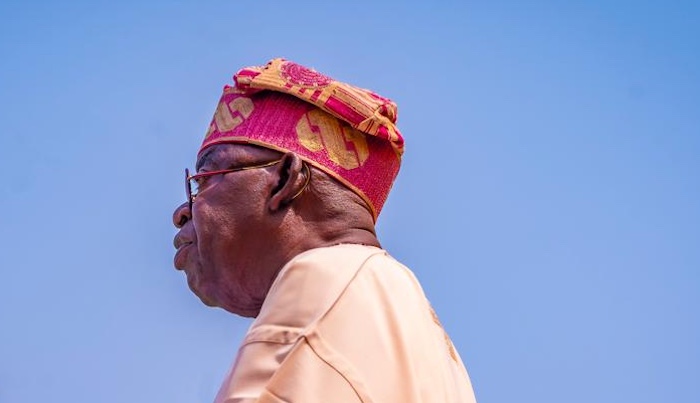
President Bola Tinubu attended a funeral service on Saturday at the Church of Christ in Nations in Jos, Plateau State. The service honored Nana Lydia Yilwatda, the mother of Professor Nantewe Yilwatda Goshwe, the National Chairman of the All Progressives Congress.
Although Tinubu is a Muslim from Lagos State, his presence at a Christian church underscores his connection to the Christian community through his wife, Remi, an ordained Assistant Pastor with the Redeemed Christian Church of God. This interpersonal link is notable amid controversy over his decision to run on a Muslim‑Muslim ticket in the 2027 presidential election, a move that drew criticism from Nigerians who called for a more balanced ticket, preferably with a northern Christian as his running mate to ensure religious representation.
The funeral provided Tinubu an opportunity to pay respects and demonstrate solidarity with Professor Goshwe’s family. It also highlights the complexities of Nigeria’s religious landscape and the challenges of navigating these dynamics in political contexts. Tinubu’s attendance is a gesture of respect and unity, acknowledging the importance of interfaith relationships in the country’s social and political fabric.
In a nation with a substantial Christian population, especially in the northern regions, Tinubu’s actions are closely scrutinized for their implications on religious harmony and national cohesion. By attending the funeral despite potential political overtones, he signals an effort to bridge gaps and foster understanding between different religious groups. As Nigeria continues to evolve politically and socially, such gestures are crucial for promoting inclusivity and shared citizenship among its diverse population.
The presence of high‑profile figures like President Tinubu at significant events such as this funeral serves as a reminder of the need to respect and acknowledge the religious diversity that characterizes Nigerian society. While it remains to be seen how these gestures will affect the broader political and social landscape, they currently represent a step toward reconciliation and mutual respect in a country grappling with issues of identity, faith, and governance.


Comments are closed for this story.