
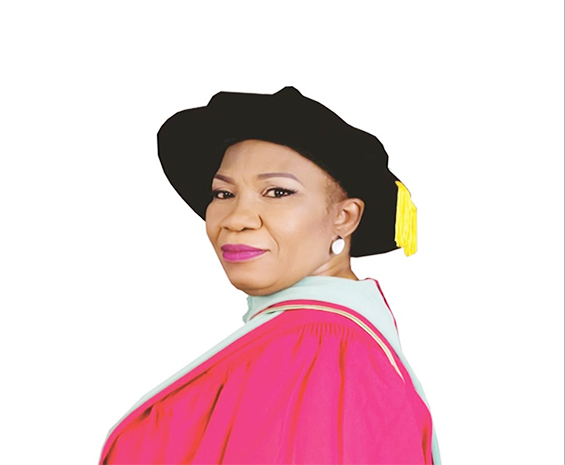
A retiring lecturer at the University of Lagos, Prof. Uchenna Udeani, has urged the federal and state governments to urgently improve conditions of service for lecturers in order to retain current staff and attract younger professionals. In an interview with the News Agency of Nigeria, the Professor of Science Education and former Director of the Distance Learning Institute expressed concern over low morale among lecturers in public tertiary institutions. She warned that this demoralisation is leading to resignations, retirements and a lack of interest from younger academics, creating a significant gap in Nigeria’s tertiary education system.
Udeani, who has spent more than three decades in the university system, described the situation as worrisome and called for immediate government attention. She noted that lecturers are struggling with basic needs such as transportation, energy bills and school fees for their children, while their salaries remain unchanged. Moreover, she highlighted the inadequate resources available to them, pointing out that many lack essential tools such as laptops, printers and comfortable offices, which hampers their performance and morale.
The professor argued that the government should provide comprehensive welfare packages for lecturers, including the basic necessities needed to carry out their duties efficiently. The absence of such support is prompting massive resignations among professors in public universities, who are seeking better opportunities elsewhere. Udeani warned that poorly treated intellectuals cannot make significant contributions, and the current situation is detrimental to the development of Nigeria’s tertiary education system.
She also raised concerns about a potential gender imbalance in the sector, as many experienced male lecturers retire or leave the profession, possibly leading to female dominance in the field. The university system faces a critical challenge, and Udeani’s comments underscore the need for urgent governmental action to address lecturers’ concerns and ensure the sustainability of Nigeria’s tertiary education. Prioritising the welfare of lecturers is essential to prevent brain drain and maintain the quality of education, and the government’s response will be crucial in shaping the future of the country’s higher education system.


Comments are closed for this story.