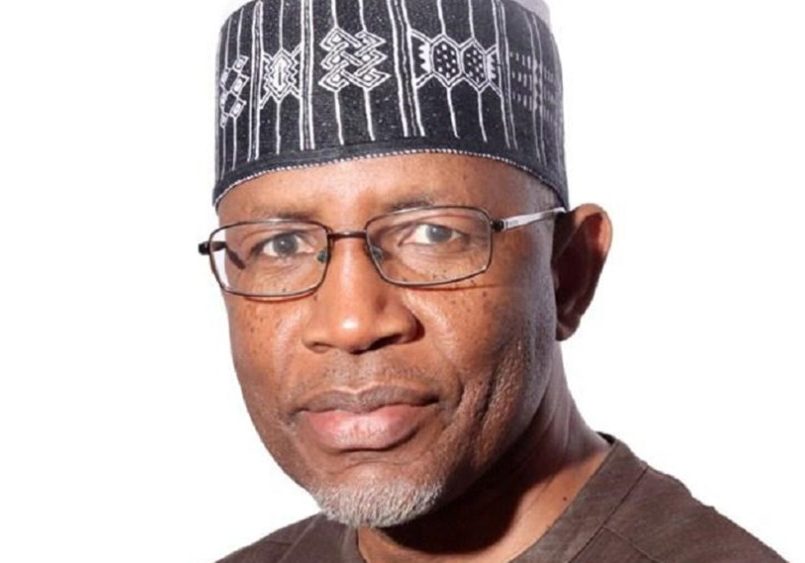
Senator Sunday Katung of the Kaduna South Senatorial District has announced his defection from the Peoples Democratic Party (PDP) to the All Progressives Congress (APC). In a statement titled “A New Chapter: A Message of Unity and Purpose,” Katung explained that his decision was made after extensive consultations with his constituents, political stakeholders, family members, and associates.
The senator stated that his move is aimed at ensuring more effective representation and participation in decision-making processes that affect his constituency. He emphasized that this realignment is driven by a genuine desire to serve his people more effectively and ensure their voices are heard and respected at the highest decision-making levels. Katung also cited appeals from his constituents and engagements with President Bola Tinubu and Governor Uba Sani, who have shown interest in partnering with leaders from the area to promote development.
Katung’s decision was made in conjunction with his colleague, Representative Daniel Amos, and some members of the Kaduna State House of Assembly. He noted that the APC’s developmental projects in the senatorial district reflect a commitment to inclusion, equity, and progress. The senator’s defection is intended to consolidate on the developmental gains already recorded in the area and attract more government attention to his constituency.
Katung appealed to his friends, supporters, and political associates who may not share his views to respect his decision, emphasizing that political differences should not affect personal relationships. He reaffirmed his commitment to unity and service, stating that he will continue to engage with all stakeholders to promote peace and development in the Kaduna South Senatorial District.
The senator’s defection is significant, as it may impact the political landscape of Kaduna State and the country at large. With this move, Katung joins the ruling party, which could potentially influence the distribution of resources and attention to his constituency. As the political dynamics in Nigeria continue to evolve, Katung’s decision may have far-reaching implications for his constituents and the country’s political landscape.