
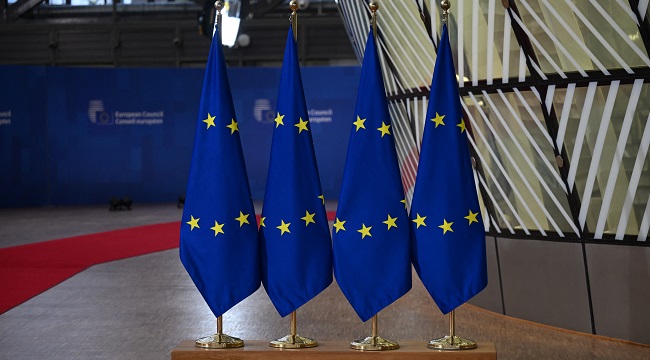
EU environment ministers are gathering for a critical meeting to establish key emissions targets, a step seen as essential for preserving the bloc’s credibility on climate action. The summit comes ahead of the UN’s COP30 climate conference in Brazil, where countries will present their Nationally Determined Contributions (NDCs) under the Paris Agreement.
The EU has long been a leading proponent of climate policy, having already reduced its emissions by 37 % compared with 1990 levels. Yet the political landscape has shifted, with defense and competitiveness now taking precedence over climate concerns. Ministers face pressure to reach a unanimous agreement on a 2035 emissions target and a more ambitious commitment to cut emissions by 90 % by 2040, also measured against 1990 levels.
The 2040 target, proposed by the European Commission, would require substantial changes to industry and daily life, prompting resistance from several member states. Spain, the Nordic countries and Germany back the proposal, while Hungary, Poland, the Czech Republic and Italy oppose it, citing risks to their industrial sectors. France, a key player, has demanded guarantees for its nuclear sector and funding for clean‑industry projects.
To persuade skeptical members, the EU is offering “flexibilities,” such as allowing the use of carbon credits purchased to finance projects outside Europe. Environmental groups warn that these measures could undermine the bloc’s climate ambitions.
Despite these challenges, diplomats remain optimistic, describing the negotiations as a “careful balancing act.” The EU’s commitment to climate action is underscored by its mobilization of €31.7 billion in public climate finance in 2024, making it the world’s largest donor.
With the clock ticking toward COP30, ministers are expected to formalize a legally binding NDC, avoiding a diplomatic disaster. The outcome of the meeting will be closely watched, as the EU strives to maintain its role as a global climate leader.


Comments are closed for this story.