
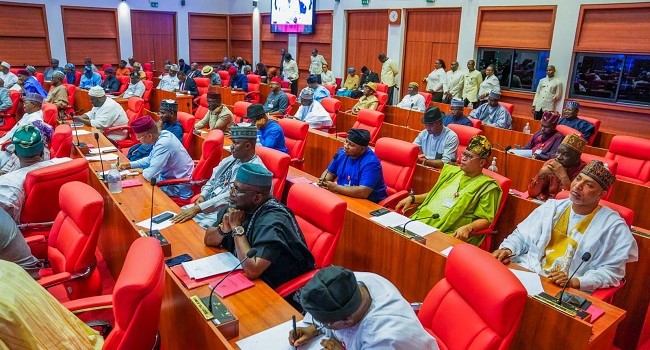
The Nigerian Senate has taken a significant step toward promoting electric vehicles (EVs) in the country by passing the Electric Vehicle Transition and Green Mobility Bill 2025 for its second reading. Sponsored by Senator Orji Uzor Kalu, the legislation seeks to create a national framework for Nigeria’s shift to EVs, encourage local manufacturing, and strengthen the nation’s commitment to environmental sustainability.
Lawmakers broadly supported the bill, outlining strategies that include developing local content, forging foreign partnerships, and building a nationwide charging infrastructure. Kalu said the law aims to transform Nigeria’s automotive and energy sectors, foster innovation, and generate jobs across the manufacturing value chain. To incentivize EV users and investors, the bill offers tax holidays, import‑duty waivers, toll exemptions, subsidies, and road‑tax reliefs. It also mandates the installation of charging stations at all fuel outlets nationwide.
Foreign automakers will be required to partner with licensed Nigerian assemblers and establish local assembly plants within three years, with at least 30 percent local‑content sourcing by 2030. Assemblers must produce a minimum of 5,000 units annually and meet international safety and technical standards, positioning Nigeria as a hub for EV manufacturing in Africa. Investors who build charging stations will qualify for government grants and tax credits.
Senate President Godswill Akpabio described the bill as a forward‑looking effort aligned with President Bola Tinubu’s economic diversification and clean‑energy agenda. The legislation has been referred to the Senate Committee on Industry for further review and is expected to return to the chamber within four weeks. If enacted, the law could significantly impact Nigeria’s automotive and energy sectors, promote sustainable development, reduce the country’s carbon footprint, and diversify an economy long reliant on oil exports. With the global shift toward electric vehicles gaining momentum, Nigeria’s push for EV adoption and manufacturing could have far‑reaching consequences for its economic and environmental future.




Comments are closed for this story.