
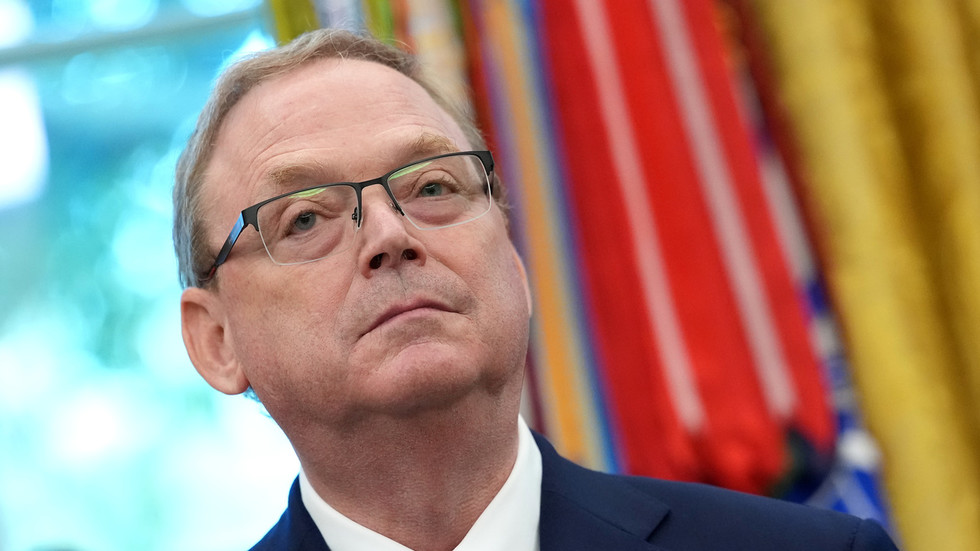
The ongoing U.S. government shutdown, now in its 38th day, is having a far greater impact on the economy than initially estimated, White House economic adviser Kevin Hassett warned. As the longest shutdown in U.S. history, it is hitting the travel, hotel and construction sectors especially hard. Hassett cautioned that the shutdown could cut fourth‑quarter GDP growth in half, with estimates pointing to a 1 % to 1.5 % reduction in growth.
The travel and leisure industry is feeling the strain. U.S. airlines canceled about 700 flights at 40 major airports on Friday because of air‑traffic‑controller staff shortages. The Federal Aviation Administration has already ordered a 4 % cut in flights, and that reduction could rise to 10 % by next week if the shutdown continues. Hassett noted that if the shutdown depresses air‑travel employees’ wages for another week or two, the sector could face a near‑term downturn.
Construction is also suffering as projects are delayed or placed on hold due to the lack of government approvals and inspections. Across the country, businesses and individuals are feeling the ripple effects of reduced government services.
The shutdown stems from a dispute over funding for a border wall between the United States and Mexico. Hundreds of thousands of federal employees have been furloughed, while many others are working without pay. Unless a resolution is reached soon, the economic fallout is likely to expand.
Beyond the immediate sectoral damage, the shutdown is expected to blunt overall economic growth in the fourth quarter, potentially halving the expansion rate. It is also eroding consumer and business confidence, which could have longer‑term implications for the economy. In sum, the shutdown is delivering a significant blow to the U.S. economy, with travel, hotel and construction sectors bearing the brunt, while broader effects on growth, confidence and national well‑being continue to unfold.


Comments are closed for this story.