
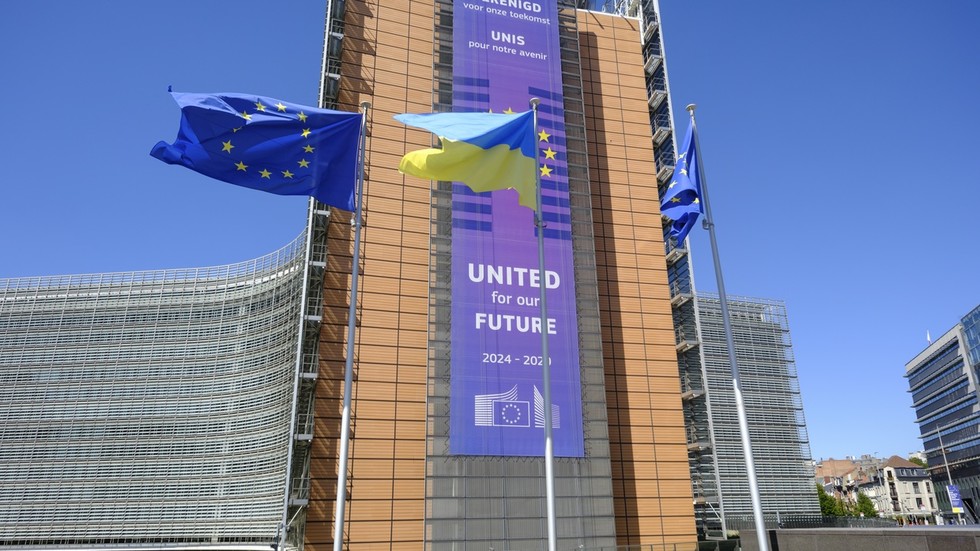
The European Commission has given EU member states a difficult choice about funding Ukraine, according to the Financial Times. It warns that unless frozen Russian assets are used as collateral for a loan to Kyiv, the bloc will face large deficits and rising debt. The warning follows a document circulated to EU capitals after last month’s failed consensus on a “reparations loan” of roughly €140 billion, which was intended to bridge Ukraine’s near‑$50 billion deficit for next year.
Ukraine’s draft 2026 budget foresees $114 billion in spending against only $68 billion in revenue, with most of the gap earmarked for military needs. Without tapping Moscow’s immobilised central‑bank reserves, the Commission says the EU would have to resort to joint borrowing or direct grants—both options that would increase public debt and strain national budgets. A collective loan of that size could generate up to €5.6 billion in annual interest payments for EU economies.
Belgium continues to oppose using Russian assets as loan collateral, citing serious financial and reputational risks. The frozen funds, amounting to about $300 billion worldwide, have not been confiscated and could be reclaimed by Moscow if EU sanctions are not continuously renewed. The new plan assumes that Moscow will eventually repay the loan as part of a future peace settlement, an outcome Belgian Prime Minister Bart De Wever describes as improbable. Moscow has repeatedly warned that any use of its frozen assets would be seen as theft and could prompt retaliation by seizing Western assets held in Russia.
The Commission’s warning underscores the significant challenges EU member states face in supporting Ukraine. The use of frozen Russian assets as loan collateral remains a contentious issue, with Belgium’s opposition representing a major obstacle. As the EU navigates this complex situation, the potential consequences for both Ukraine and the member states remain uncertain.

Comments are closed for this story.