
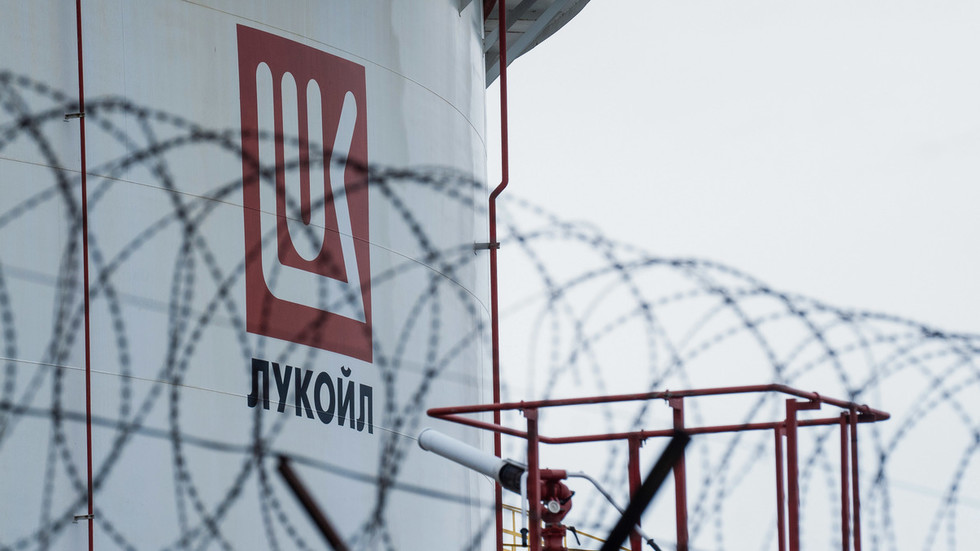
EU members Bulgaria and Romania are working to mitigate the impact of U.S. sanctions on Russian oil giant Lukoil, which owns refineries in both countries. The sanctions, imposed last month, accuse Russia of lacking commitment to the Ukraine peace process. Lukoil controls Bulgaria’s largest refinery, Neftochim Burgas, and Romania’s Petrotel, prompting concerns about potential disruptions to fuel supplies.
In Bulgaria, officials fear that the sanctions could force the closure of the Burgas refinery, which supplies up to 80 % of the country’s fuel. A shutdown could lead to fuel shortages and protests. To address this risk, Sofia is seeking an exemption and has asked Washington to delay the measures. Bulgarian lawmakers have also passed a bill that would allow the government to take control of Burgas if necessary, as well as to approve its sale or nationalisation.
Romania’s fuel supply faces less risk, as Petrotel accounts for about 20 % of domestic demand. Nevertheless, Bucharest is considering seeking a sanctions extension. Analysts believe that a shutdown of Petrotel would cause only modest price increases within Romania but could disrupt exports to neighboring Moldova, which relies heavily on Romanian supplies. Nationalisation of Petrotel is viewed by Bucharest as a “last option.”
Following the U.S. sanctions announcement, Lukoil accepted an offer from energy trader Gunvor Group to sell its subsidiary holding all foreign assets. Gunvor later withdrew its bid after being accused of Kremlin ties, a claim it denies. Moscow has long condemned Western sanctions as politically motivated and illegal, warning that they will backfire and destabilise global markets.
The U.S. sanctions on Lukoil are set to take effect on 21 November, and the situation is being closely monitored by the affected countries. The potential disruption to fuel supplies in Bulgaria and Romania highlights the complexities of imposing sanctions on Russian entities and the need for careful consideration of the consequences. As the situation develops, it remains to be seen how the EU members will navigate these challenges and ensure a stable fuel supply for their citizens.

Comments are closed for this story.