
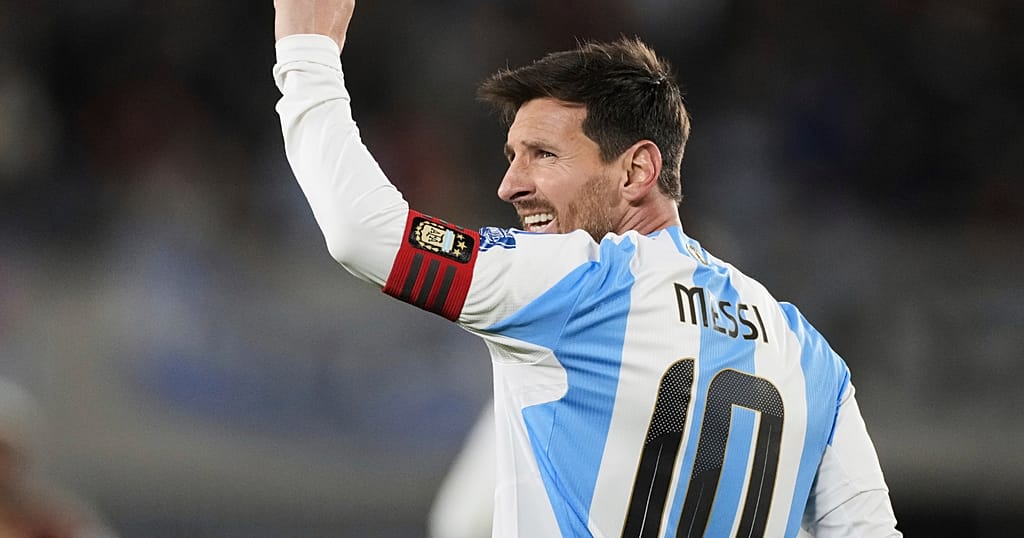
Lionel Messi and the Argentine national football team are scheduled to arrive in Angola this week as the country marks the 50th anniversary of its independence from Portugal. The visit forms part of a week‑long celebration that began with a military parade in Luanda on Tuesday. An exhibition match between Angola’s national team and Argentina is set for Friday at the 11 November Stadium, and the Angolan football federation has reportedly spent $13 million to bring Messi and his teammates to the country.
The friendly, however, has sparked controversy. In August, four civil‑society groups urged the Argentine side to cancel its participation, citing human‑rights concerns and systematic repression by Angolan authorities. The groups argued that withdrawing would constitute a noble gesture of international solidarity. Despite these calls, Argentina’s squad will land in Angola on Thursday, although three players will miss the match because they have not received the required yellow‑fever vaccine, and a fourth will be absent due to injury.
Critics contend that the match legitimizes the Angolan government’s actions, especially as the anniversary celebrations occur amid social and economic challenges. Recent protests over fuel‑price hikes led to the deaths of 30 people in August, with accusations that the government used excessive force to suppress the unrest. Nonetheless, the exhibition game is expected to draw thousands of fans and is being promoted by the government as an opportunity to boost Angola’s international image.
The controversy surrounding the Argentine team’s participation highlights the complexities of sports diplomacy and the difficulties of advancing human‑rights concerns in international relations. As Angola continues its independence celebrations, the presence of Lionel Messi and the Argentine national team has drawn global attention to the country’s human‑rights record and the broader role of sports in global affairs.
Comments are closed for this story.