
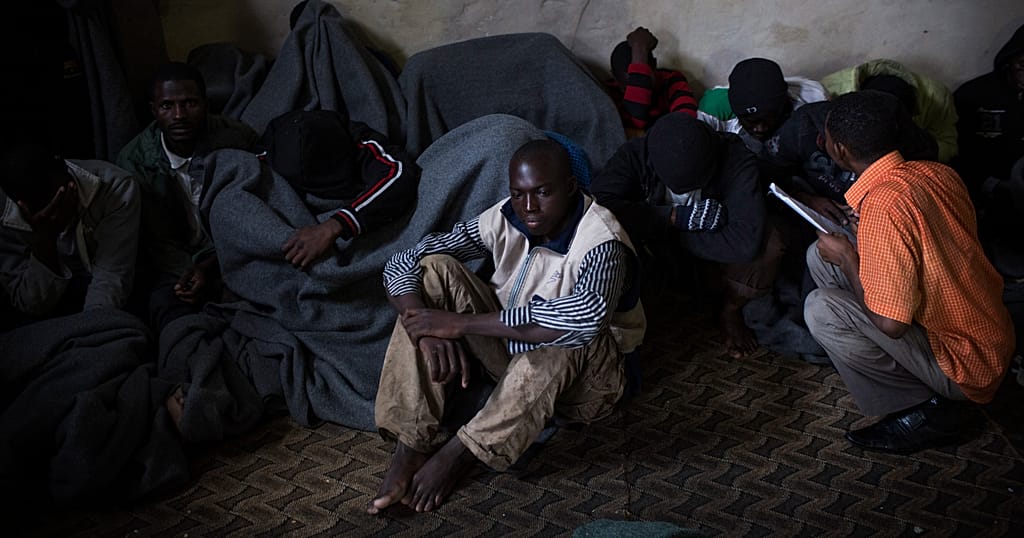
Libya is under mounting international pressure to shut down detention centers where migrants and refugees are allegedly subjected to torture, abuse, and even death. The North African country, a key transit point for Africans fleeing conflict and poverty toward Europe, has come under scrutiny from several nations—including Britain, Spain, Norway and Sierra Leone—at the United Nations.
Reports of migrants being held in warehouses by traffickers, subjected to violence and extortion, have raised alarm. A recent Dutch court case exposed grim details of the situation, and a United Nations agency reported that bodies found in mass graves bore gunshot wounds. The International Organization for Migration has also expressed concern over conditions in these detention centers.
Norway’s ambassador to the UN urged Libya to end arbitrary detentions, while Britain called for UN investigators to have unrestricted access to the facilities. In an open letter, human‑rights groups accused armed factions in Libya of operating with impunity, blocking justice and committing widespread abuses.
Libya’s acting foreign minister, Eltaher Salem Elbaour, acknowledged the country’s struggles but said the UN‑backed government in Tripoli is working to ensure human rights are respected during a fragile transition. He cited cooperation with the International Criminal Court and the establishment of a new joint committee to oversee detention centers as examples of the government’s efforts.
The international community is closely watching Libya’s human‑rights record, which is currently under review as part of a UN process that scrutinizes all 193 member states. This review comes as the United States notably skipped its own review last week. The situation highlights the need for continued international attention and cooperation to address the complex issues surrounding migration and human rights in the region.
As the world continues to monitor Libya, it remains to be seen whether the country will take concrete steps to address the allegations of abuse and protect migrants and refugees. The creation of a joint committee and cooperation with international organizations are positive moves, but more must be done to tackle the root causes of the problem and hold those responsible for abuses accountable.

Comments are closed for this story.