
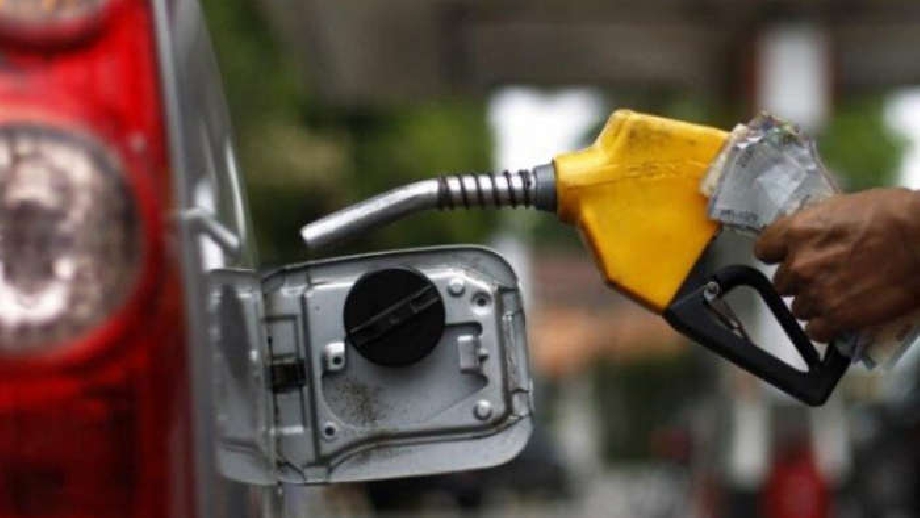
Nigeria’s petrol price has fallen, with filling stations in Abuja now selling fuel at between N940 and N945 per litre, down from the previous range of N945 to N955. The decline follows the federal government’s decision to suspend the planned 15 % import duty on petrol and diesel, a move intended to encourage local production.
The Independent Petroleum Marketers Association of Nigeria attributes the price reduction to this policy reversal. According to the association’s spokesperson, Chinedu Ukadike, the proposed 15 % import tariff would have triggered indirect inflation and pushed pump prices higher. By suspending the duty, demand and supply forces can operate freely, fostering healthier competition and compliance with the Petroleum Industry Act.
Dangote Refinery, however, disagrees with this assessment. The refinery claims that the lower price is the result of its recent reduction in gantry rates and is unrelated to the suspended import duty, which it says would have given the refinery a competitive edge.
The government’s decision is expected to benefit consumers, as the duty would have otherwise raised petrol prices. The price cut is a notable development in Nigeria’s petroleum sector, which has struggled with high fuel costs and supply‑chain disruptions. By suspending the import duty, the government aims to boost local production and lessen reliance on imported fuel.
In addition to the policy change, the decline in international crude‑oil prices has also contributed to the lower petrol cost. Falling global crude prices reduce refineries’ production costs, a saving that can be passed on to consumers. The government plans to monitor the situation closely in the coming days and make further adjustments as needed to ensure that the benefits of the price reduction reach the public. This step is seen as a positive move toward a more stable and competitive petroleum industry in Nigeria.


Comments are closed for this story.