
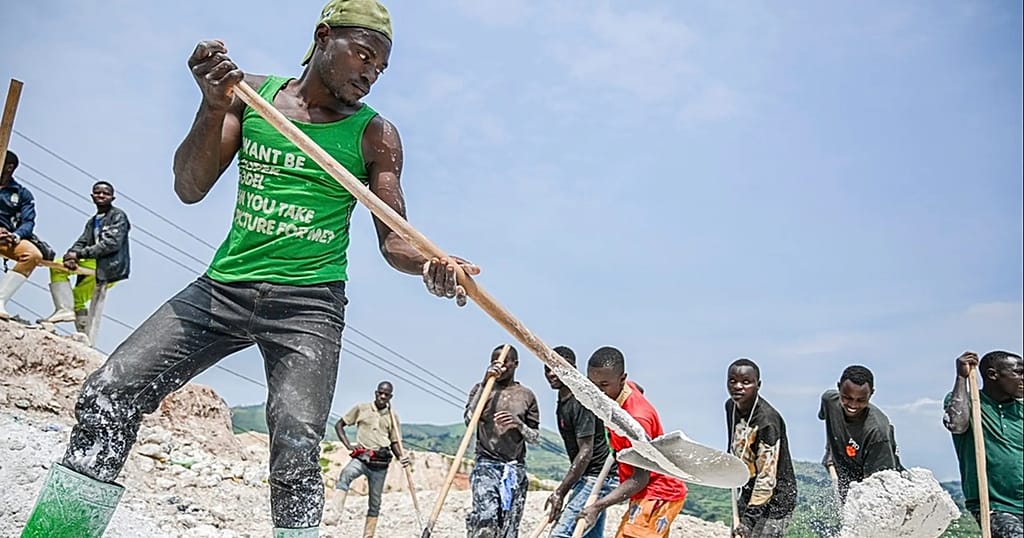
The Democratic Republic of Congo has extended a ban on mineral trading from 38 artisanal mining sites in the conflict‑riven North and South Kivu provinces. Officials say evidence shows that proceeds from the illicit mineral supply are being used to fund armed groups in the region. The six‑month extension is intended to increase compliance pressure on global supply chains for key minerals such as tin, tantalum and tungsten, which are essential components in the electronics, automotive and aerospace industries.
The ban, first imposed in February, has been prolonged because instability persists in eastern Congo’s mineral‑rich territories. These areas remain contested by various militia groups, including the M23 rebels, who have recently expanded control over strategic locations. By extending the ban, the mines ministry aims to curb the flow of funds to these armed groups and promote regional stability, while also pressuring international buyers to ensure their supply chains are free from conflict financing.
The global demand for tin, tantalum and tungsten has created a complex web of supply chains, making it difficult to trace the origin of these materials. The extension highlights the need for greater transparency and accountability in the mineral trade. The international community has been urged to take steps to prevent the financing of armed groups through illicit mineral transactions.
The ban’s extension will likely affect companies operating in the region, requiring them to ensure their supply chains are conflict‑free. This may involve conducting thorough due diligence and implementing measures to avoid sourcing minerals from the affected artisanal mining sites. As the situation in eastern Congo continues to evolve, the international community will closely monitor the ban’s impact and its effectiveness in promoting stability and preventing conflict financing.



Comments are closed for this story.