

Sundar Pichai, head of Google’s parent company Alphabet, warned that a burst of the artificial‑intelligence (AI) bubble could have far‑reaching consequences for all firms, including his own. In a BBC interview, he acknowledged “irrationality” behind the current AI investment boom, which has driven a tech rally this year. Yet fears of a bubble burst have sparked a sell‑off, sending global stock markets tumbling in recent months. Pichai stressed that no company would be immune, saying, “I think no company is going to be immune, including us.”
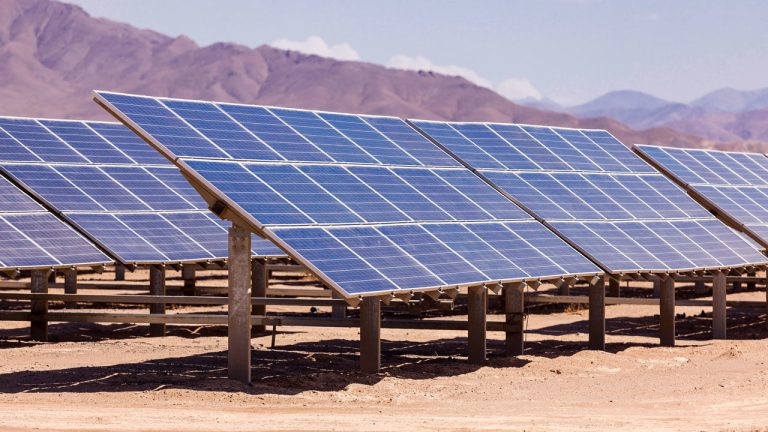
The interview also revisited long‑standing AI concerns such as energy consumption, climate targets, accuracy and job impact. The International Energy Agency reported that AI accounted for 1.5 percent of global electricity use last year, with its computing footprint projected to reach 200 gigawatts by 2030. This growing demand raises questions about new energy sources and infrastructure upgrades. Pichai noted that Alphabet’s AI energy needs would delay the company’s climate goals, but reaffirmed its commitment to carbon neutrality by 2030.
Pichai also acknowledged AI’s profound effect on the workforce, suggesting it could replace certain jobs—including CEOs—and cause “societal disruptions.” He emphasized that individuals who adapt to AI and learn to use its tools will be better positioned to succeed in their professions.
Alphabet’s recent quarterly revenue of $100 billion, reported in October, was largely driven by its ability to capitalize on the AI boom. The company has increased spending to meet demand for AI infrastructure and has rolled out AI features in Google Search and its Gemini models. As the AI landscape continues to evolve, Pichai’s warnings remind us of the potential risks and consequences associated with rapid AI investment growth. With the tech industry poised for continued expansion, it remains to be seen how companies will navigate the challenges and opportunities presented by AI. His statements underscore the need for adaptation and responsible AI development as the technology shapes the future of work and the environment.


Comments are closed for this story.