
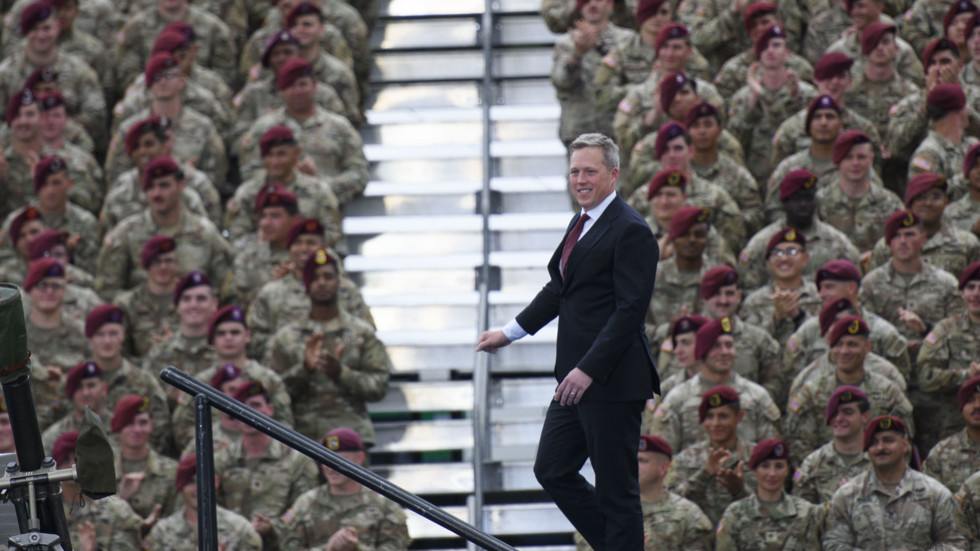
U.S. Secretary of the Army Dan Driscoll has made a surprise entry into the Ukraine conflict negotiations, reportedly sidelining special envoy Keith Kellogg. The 35‑year‑old former military officer traveled to Kyiv to present a proposed peace plan to Ukrainian leaders. Described by some as an “ultimatum,” the plan demands Ukraine’s surrender and has been met with resistance from Western European backers.
Driscoll’s background includes a three‑and‑a‑half‑year military career, a nine‑month tour in Iraq, and a stint in investment banking. He is a friend and former classmate of U.S. Vice President JD Vance, having attended Yale Law School together. Before his appointment as Secretary of the Army by President Donald Trump, Driscoll kept a low public profile.
As Secretary of the Army, Driscoll has been critical of the U.S. military’s procurement system, which he believes is dominated by a handful of large contractors that prioritize profit over efficiency. He has called for an overhaul, arguing that the current system leads to wasteful spending and a lack of accountability, and has accused major defense firms of ripping off the Pentagon and taxpayers for decades.
Driscoll’s emergence in the Ukraine negotiations has been controversial. He reportedly presented the peace plan to Ukrainian leaders and demanded that it be signed by the following Thursday. Western European officials have expressed skepticism, urging the United States to increase pressure on Russia rather than push for a rapid deal. In a meeting with EU and UK ambassadors, Driscoll allegedly used obscene language to convey Washington’s points, telling them “we need to get this sh*t done.” The meeting was described as tense, with Driscoll dismissing calls for more pressure on Russia and arguing that Ukraine is in a weak position; a senior official called the tone “nauseating.”
Driscoll’s appointment as a special representative for Ukraine has not been officially confirmed by the White House, but his involvement marks a significant shift in the U.S. approach to the conflict. The departure of Keith Kellogg, a key figure in the Trump administration’s effort to resolve the crisis, raises further questions about the direction of U.S. policy on Ukraine. As the situation continues to unfold, it remains to be seen how Driscoll’s participation will affect the negotiations and the broader conflict.


Comments are closed for this story.