
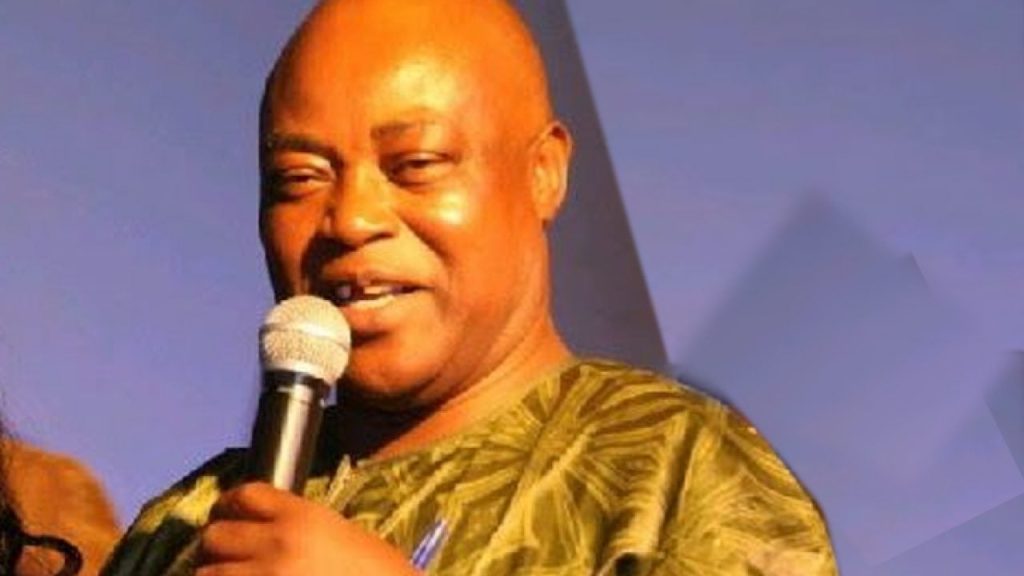
A political row has erupted in Nigeria after Adams Oshiomhole, a senator from Edo North, criticised former Minister of Transportation Chibuike Amaechi for his handling of the country’s rail system. Appearing on a television programme, Oshiomhole described Amaechi as “the most terrible” and accused him of mismanaging the rail network during his tenure. He also questioned why a train track was being constructed to the Niger Republic while Amaechi’s home state of Rivers had none.
In response, Chief Eze Chukwuemeka Eze, a close ally of Amaechi, issued a statement defending his colleague. Eze accused Oshiomhole of trying to distract from the current administration’s failures, citing the country’s economic woes under President Bola Tinubu. He portrayed Oshiomhole as someone who should be held accountable for his actions but remains in public office to avoid prosecution. Eze praised Amaechi for speaking truth to power, for his commitment to due process and non‑violence, and for reviving and revolutionising Nigeria’s rail system. He highlighted Amaechi’s blueprint for developing the rail subsector in the South‑South, South‑East and North‑East regions and dismissed Oshiomhole’s criticism, urging him to focus on the facts and take his grievances elsewhere.
The controversy surrounding Amaechi’s tenure as Minister of Transportation has long been a subject of debate. During his time in office, the judiciary was shut down—a move Eze attributed to an attempt by Governor Nyesom Wike to impeach a sitting governor using a minority of lawmakers. Eze also pointed out that Oshiomhole has his own controversies, noting that he was impeached as National Chairman of the All Progressives Congress by his own ward.
The exchange between Oshiomhole and Eze reflects deep‑seated divisions within Nigeria’s political landscape. As the country grapples with economic and social challenges, politicians are increasingly turning on each other to deflect blame and gain advantage. The spat between Oshiomhole and Amaechi is likely to continue, with significant implications for the nation’s political dynamics and the future of its rail system.

Comments are closed for this story.