
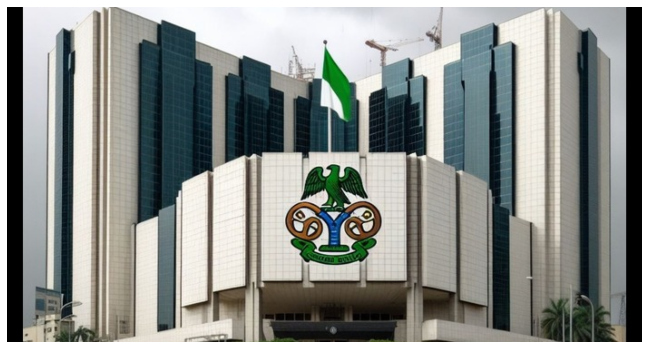
The Nigerian Senate has demanded a detailed explanation from the Central Bank of Nigeria (CBN) regarding the alleged non‑remittance of N1.44 trillion in operating surplus. The Senate Committee on Banking, Insurance and Other Financial Institutions, led by Senator Tokunbo Abiru, emphasized the need for transparency and accountability in monetary governance. Abiru said the Senate expects the CBN to provide a clear, documented response to the Auditor‑General’s query on the unremitted funds, outlining the circumstances of the query, corrective steps taken, and measures to prevent future lapses.
CBN Governor Olayemi Cardoso presented an extensive review of the economic conditions, highlighting progress in stabilising the foreign‑exchange market and reducing inflation. According to Cardoso, Nigeria is experiencing renewed macro‑economic stability, with headline inflation declining for seven consecutive months to 16.05 percent in October 2025. He attributed this progress to bold monetary reforms, foreign‑exchange liberalisation, and disciplined liquidity management implemented since mid‑2025. Cardoso also reported a sharp rise in external reserves to $46.7 billion—the highest level in nearly seven years—along with a significant increase in diaspora remittances and foreign capital inflows. Additionally, the CBN has fully cleared the $7 billion verified FX backlog, restoring investor confidence and strengthening Nigeria’s balance‑of‑payments position.
Despite these positive indicators, the Senate sought clarity on several policy decisions, including the sustained 45 percent cash reserve ratio, FX forward settlements, and the compliance of CBN subsidiaries with parliamentary oversight. The committee pressed for explanations, emphasizing the need for stronger inter‑agency cooperation to maintain public confidence. The meeting between the Senate committee and the CBN governor moved into a closed‑door session, indicating that further discussions and clarifications are needed. The outcome is expected to provide more insight into the CBN’s actions and the Senate’s expectations for improved transparency and accountability in Nigeria’s monetary governance.



Comments are closed for this story.