
A recent visit by Nigerian dancer Korra Obidi to the grave of Afrobeat legend Fela Kuti has generated significant attention on social media. During her trip to Nigeria, Obidi paid her respects to the late musician by performing a twerking tribute at his gravesite. She shared a video of the performance on Instagram, stating that she gave Fela “an offering” and noting that he was known to appreciate women with energetic dance moves.
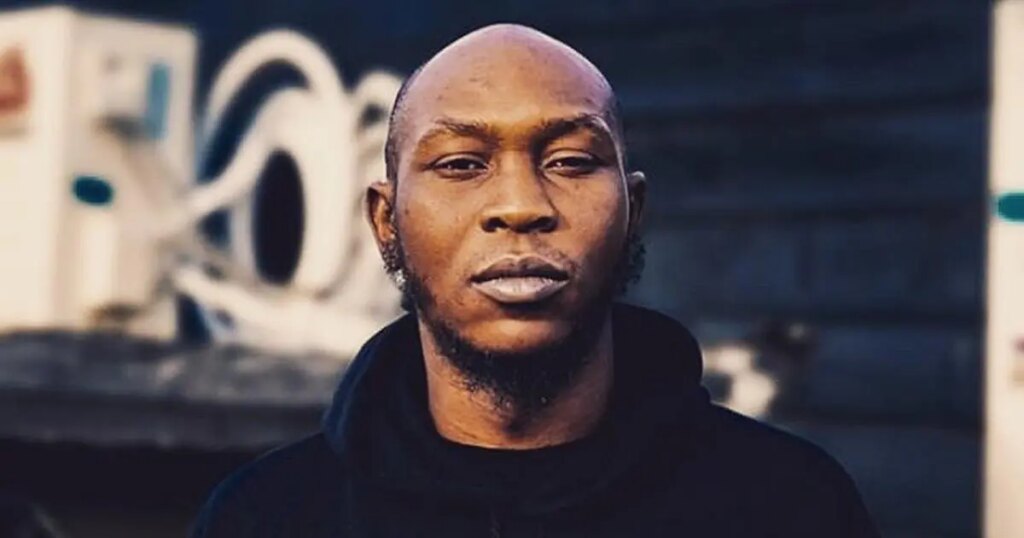
Seun Kuti, Fela’s son and a musician in his own right, responded to the tribute by acknowledging that it aligned with his father’s vibrant lifestyle and cultural influence. He appreciated Obidi’s gesture, saying, “you guys know what baba likes but you will never give him what he wants.” This reaction suggests that Seun Kuti views the performance as a genuine homage to his father’s legacy.
However, not everyone has been pleased with Obidi’s actions. Some critics argue that her performance was disrespectful and crossed a line. The debate highlights the complexities of cultural expression and the challenges of paying homage to a figure like Fela Kuti, who was known for his provocative style and commitment to social justice.
Fela Kuti was a pioneering musician and activist who founded the Afrobeat genre, blending traditional Yoruba music, funk, and socially conscious lyrics. His music and message continue to inspire artists and fans worldwide. As a cultural icon, his legacy is multifaceted, and reactions to tributes like Obidi’s reflect the diverse ways people engage with and interpret his work.
The controversy surrounding Obidi’s tribute serves as a reminder of the power of art to spark conversation and debate. As discussions continue, it is clear that Fela Kuti’s legacy remains a vital and relevant part of Nigerian cultural heritage. The incident also underscores the importance of considering context and intention behind artistic expressions, especially when they involve sensitive or sacred spaces such as gravesites.



Comments are closed for this story.