Mexico’s lawmakers have approved a measure to increase tariffs on goods from countries without a trade agreement, primarily targeting Chinese imports. The move, led by President Claudia Sheinbaum, aims to strengthen the domestic market and reduce dependence on imports. The proposed tariffs, which will now be considered by the Senate, would affect a range of products including automobiles, textiles, clothing, and appliances.
The tariffs, initially suggested at 50%, have been reduced to 20% or 35% for most categories, with the higher rate applying to a limited number of cases. The Sheinbaum administration’s efforts to bolster the domestic market have been met with warnings from opponents that the tariffs could lead to price increases for consumers. Some analysts believe the move is a response to pressure from US President Donald Trump, who is engaged in a trade war with China.
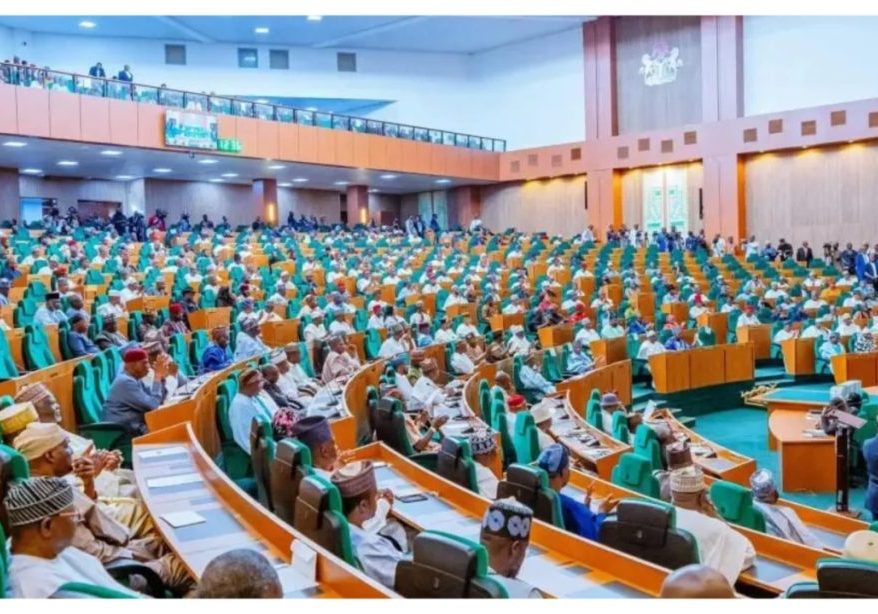
China has expressed opposition to the proposed tariffs, with officials warning Mexico to “think carefully” about the move. The lower house of Congress approved the proposal with 281 votes in favor, 24 against, and 149 abstentions, citing the need for further discussion. The measure will now be considered by the Senate, where it is expected to face further scrutiny.
The proposed legislation would also impact other countries, including South Korea, India, Indonesia, Russia, Thailand, and Turkey, which do not have a trade agreement with Mexico. The move has significant implications for international trade and could lead to retaliatory measures from affected countries.
The Mexican government’s decision to impose tariffs on Chinese imports is part of a broader effort to reduce its dependence on foreign goods and promote domestic production. The move is seen as a key component of the country’s economic strategy, aimed at boosting growth and competitiveness. As the measure moves to the Senate for consideration, it is likely to face intense debate and scrutiny, with potential consequences for Mexico’s trade relationships and economic outlook.