
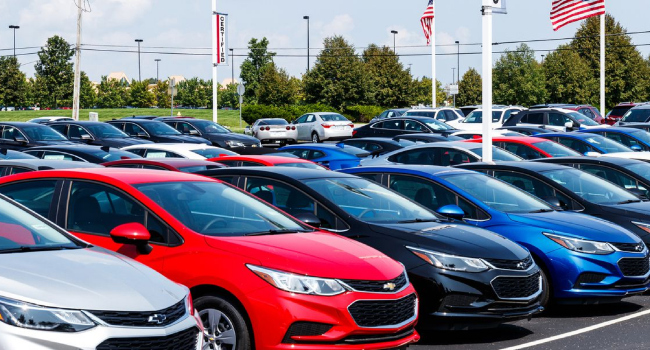
Mexico announced plans to raise tariffs on automobiles from China and other Asian nations to 50% as part of a broader overhaul of import levies. The move, intended to protect jobs and reportedly to appease the United States, will affect $52 billion of imports across several sectors, including textiles, steel and automotive products.
According to the Economy Ministry, the tariffs will target countries that lack trade agreements with Mexico, such as China, South Korea, India, Indonesia, Russia, Thailand and Turkey. The proposal, which still requires congressional approval, is expected to safeguard 325,000 industrial and manufacturing jobs that are considered at risk. Overall, the tariffs would cover 8.6 % of all imports, with specific rates ranging from 10 % to 50 % on textiles and a 35 % duty on steel, toys and motorcycles.
Economy Minister Marcelo Ebrard said the measures are necessary to prevent Chinese cars from entering the Mexican market at prices below reference levels, which would make it difficult for domestic producers to compete. China responded by opposing what it described as coercion and restriction under various pretexts. Foreign ministry spokesperson Lin Jian said China hopes Mexico will work toward global economic recovery and trade development instead.
The initiative comes as the United States pressures Latin American countries to limit their economic ties with China, competing for influence in the region. Mexico’s trade deficit with China has doubled over the past decade, reaching $120 billion last year. Approval by Congress—where the government holds a sizable majority—is seen as a crucial step in implementing the new tariffs.
The tariffs fall within World Trade Organization limits, and the Mexican government argues they are essential to protect domestic industries and jobs. As the plan advances, it is likely to have significant implications for trade relations among Mexico, China and the United States, and could set a precedent for other countries in the region. Ultimately, Mexico aims to balance the protection of its domestic economy with its role in the global trade landscape.



Comments are closed for this story.