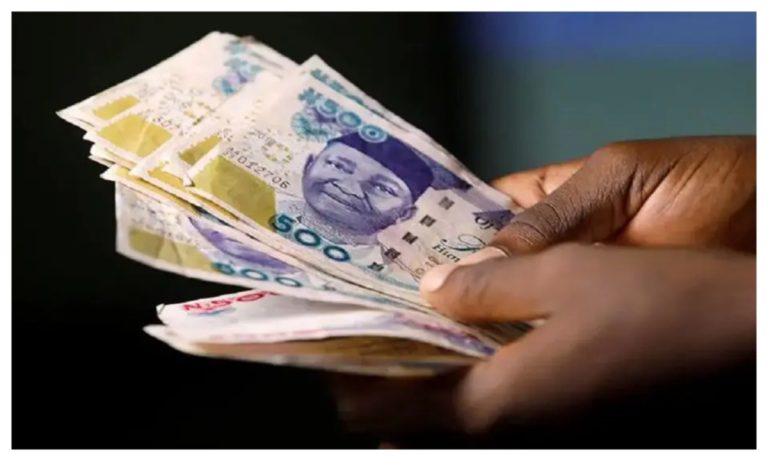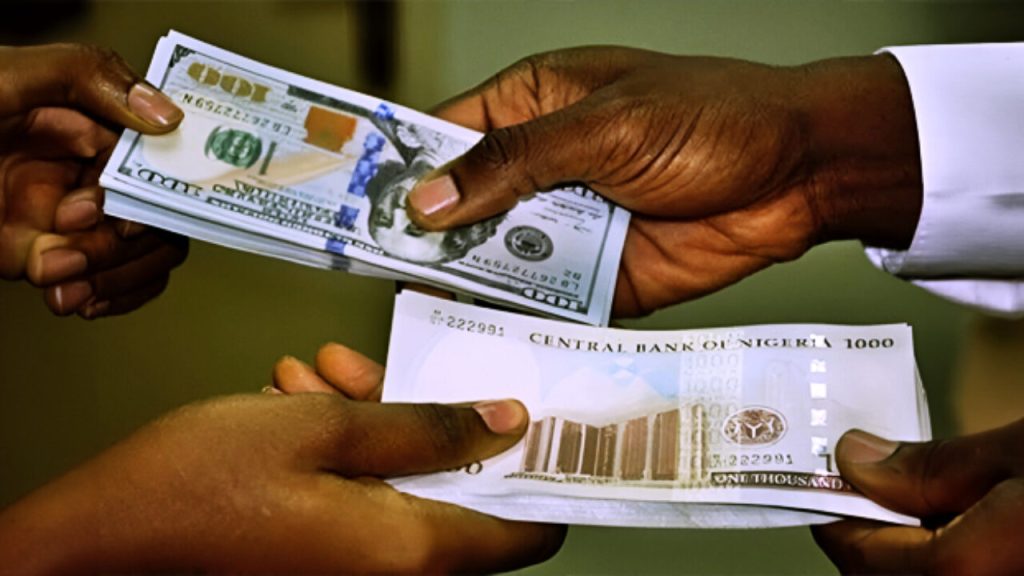
The Nigerian naira continued to slip against the US dollar on Thursday, with the official exchange rate falling to N1,366.73 per dollar – a modest decline of N0.02 from the previous day. Data released by the Central Bank of Nigeria (CBN) shows the official rate moved from N1,366.71 on Wednesday to N1,366.73 on Thursday, reflecting a slight depreciation.
In the parallel black‑market market, the naira weakened more noticeably. The informal rate rose by N3 to N1,418 per dollar on Thursday, up from N1,415 on Wednesday. The divergence between the official and black‑market rates is a common feature in Nigeria, where restrictions on foreign‑exchange access often drive a higher demand for dollars in the informal sector.
The Central Bank’s daily report also noted a small dip in Nigeria’s foreign reserves. On July 29 2026, reserves were recorded at $51.92 billion, down from $51.94 billion the day before. While the change is modest, it signals ongoing pressure on the country’s external asset base.
The naira’s recent trajectory has seen three consecutive days of decline at the official market, underscoring persistent downward pressure on the currency. Such movements can influence import costs, inflationary expectations, and investor sentiment, making the Central Bank’s data a key barometer for economic Health.
A weaker naira can have a dual impact on the Economy. For import‑dependent businesses, higher dollar prices translate into increased costs, potentially feeding into broader inflation. Conversely, exporters may find their goods more competitively priced abroad, which could help improve the Trade balance. The currency’s performance also affects the cost of servicing foreign‑denominated debt, a critical consideration for a country with significant external obligations.
The Central Bank of Nigeria, as the apex monetary authority, is tasked with maintaining price stability and overseeing the foreign‑exchange market. Its daily releases on exchange rates and reserve levels provide transparency and help market participants gauge the effectiveness of policy measures. The slight depreciation observed on Thursday will be closely watched by analysts and policymakers alike.
Looking ahead, the Central Bank may continue to monitor the market for signs of further deterioration. Should the downward trend persist, it could prompt adjustments to monetary policy tools or interventions in the foreign‑exchange market to support the naira. Investors and businesses will be attentive to any such moves, as they can signal shifts in the broader economic environment.
In summary, the Nigerian naira’s modest decline on Thursday, coupled with a small fall in foreign reserves, reflects ongoing volatility in the currency market. The Central Bank’s data releases remain a vital source of information for stakeholders assessing the country’s economic trajectory. As the naira’s performance continues to evolve, its implications for trade, inflation, and investment will remain a focal point for observers of Nigeria’s financial landscape.