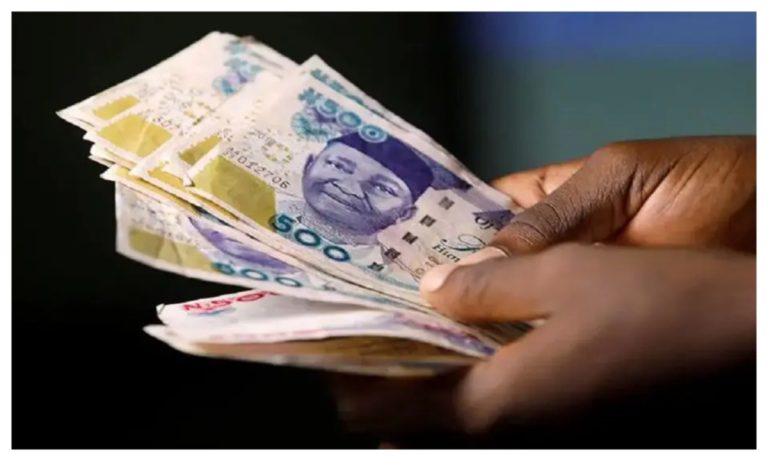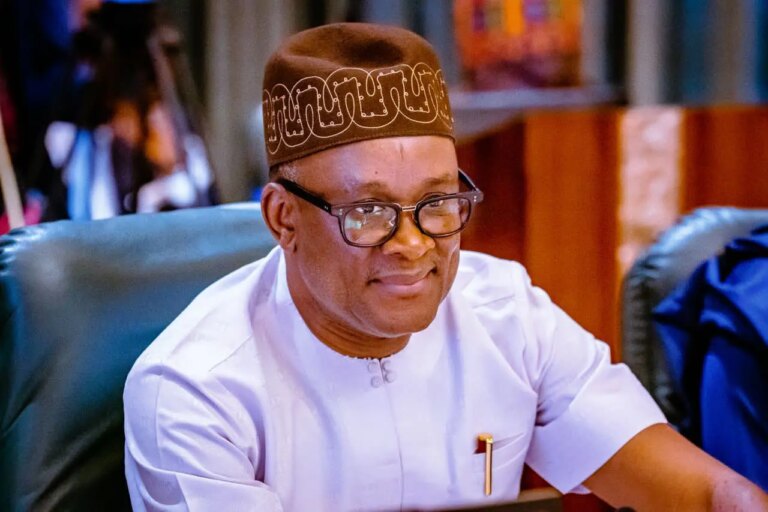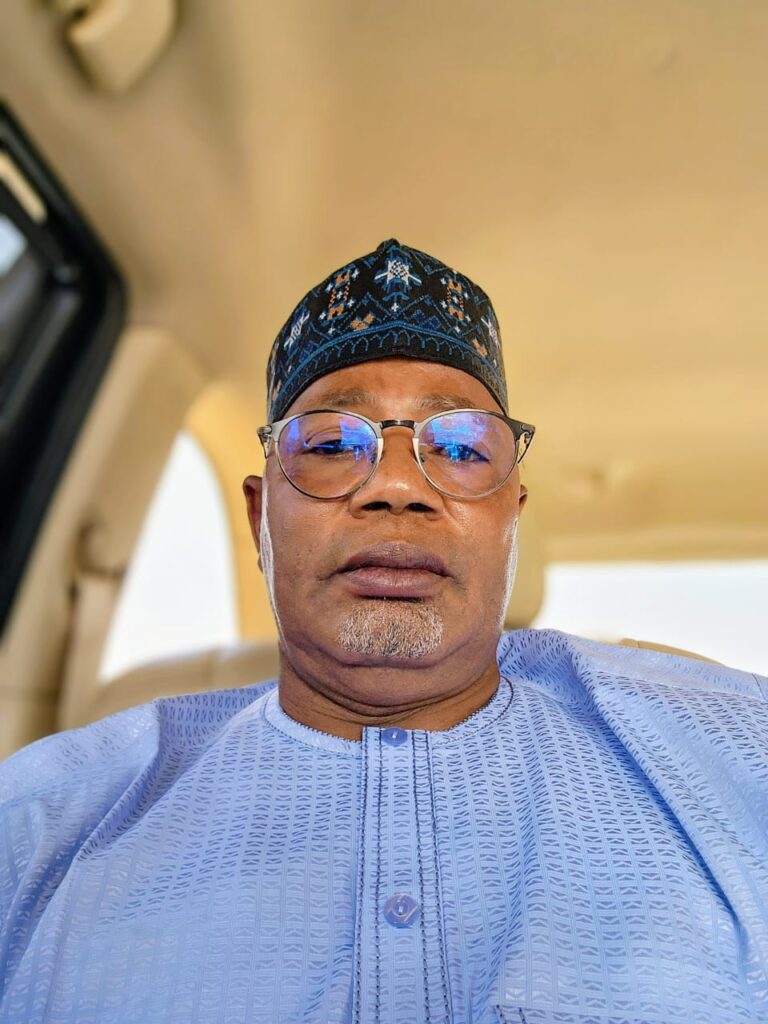
Former president of the Real Estate Developers Association of Nigeria, Aliyu Wammako, has urged President Bola Tinubu to declare a state of emergency over the rising cost of building materials, citing soaring house rents across the country. In a statement released Thursday, Wammako said the growing concern over housing affordability is understandable and demands urgent national attention from the Tinubu administration.
“Millions of Nigerians are struggling to afford decent accommodation, and the government must continue to seek lasting solutions,” he said. He added that the conversation must focus on the root cause – the rising cost of construction – rather than its visible consequence, rent.
Wammako explained that the housing crisis is fundamentally a construction cost crisis. Rent is the end product of an economic chain that begins with land acquisition, building materials, labour, finance and infrastructure. “A landlord does not manufacture rent in isolation. He builds with cement, reinforcement rods, roofing sheets, electrical fittings, plumbing materials and other inputs whose prices have risen dramatically in recent years,” he said. Cement is now approaching N13,000 per bag in many parts of the country, while steel, roofing materials and other essential components continue to climb almost daily. Labour costs have also doubled, with artisans who previously earned about N4,000 a day now charging as much as N8,000 or more.
“These are the realities confronting every developer,” Wammako said. “No responsible investor spends hundreds of millions of naira constructing houses only to recover a fraction of that investment. Like every other sector of the Economy, real estate is driven by the cost of production. If the cost of building keeps rising, the cost of renting cannot remain stagnant.”
He urged that any state of emergency should target the soaring cost of building materials and housing production, not rent. Government intervention should focus on reducing the cost of cement and other construction inputs, improving access to affordable long‑term financing, strengthening local manufacturing, lowering energy and transportation costs, and creating policies that encourage developers to build more affordable homes. “That is how rents will fall naturally—through increased housing supply and lower construction costs—not through measures that merely attempt to regulate the final price while ignoring the factors that determine it,” he said.
Wammako acknowledged that the Federal Government has not been idle. Through ongoing affordable housing initiatives and the interventions of the Federal Mortgage Bank of Nigeria, significant investments are being made to expand access to housing across the country. In Lagos State, for example, billions of naira have been committed to new housing projects aimed at increasing the stock of affordable homes. These efforts should be strengthened, expanded and supported, not overshadied by proposals that risk discouraging private investment in housing development.
“Developers are not adversaries of the Nigerian people. We are partners in solving the nation’s housing deficit,” he said. “Every policy that makes it cheaper to build ultimately makes it cheaper to rent. Every policy that increases housing supply benefits tenants far more than policies that simply seek to suppress rental prices without addressing the economics behind them.”
Wammako concluded that Nigeria needs practical solutions, not emotional reactions. “Let us confront the root cause of the housing challenge by making it less expensive to build. That is the surest path to affordable housing for all Nigerians,” he said.