

The United States government has proposed a new requirement for travelers from certain countries that would involve submitting their social‑media history as part of the Electronic System for Travel Authorization (ESTA) process. Unveiled on Wednesday, the proposal would affect tourists from more than 40 nations—including most European countries, Chile, Brunei and New Zealand—who currently need an ESTA to enter the U.S. without a visa for stays of up to 90 days. Under the plan, travelers could be asked to provide up to five years of social‑media activity, although the details of implementation remain unclear.
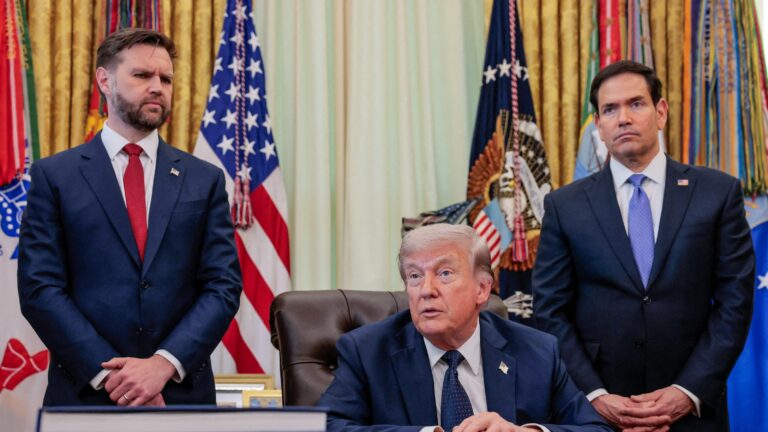
Experts warn that the additional requirement could lengthen processing times for ESTA applications and deter potential visitors. The U.S. has already seen a decline in tourism over the past few months, particularly from Canada, where many travelers have chosen to boycott the United States in response to President Trump’s tariffs. While President Trump has downplayed concerns, saying the measure is meant to ensure “we’re not letting the wrong people come into our country,” critics argue that longer delays and added hurdles may discourage tourists from applying for ESTA.
The tourism industry’s recent downturn, highlighted by the drop in Canadian visitors, could be exacerbated by the proposed social‑media screening, potentially affecting the broader economy. Because the proposal is still in its early stages, its exact implementation and overall impact on travelers and the tourism sector remain uncertain. The U.S. government will need to weigh the benefits of enhanced security against the possible costs to the tourism industry before moving forward.

Comments are closed for this story.