
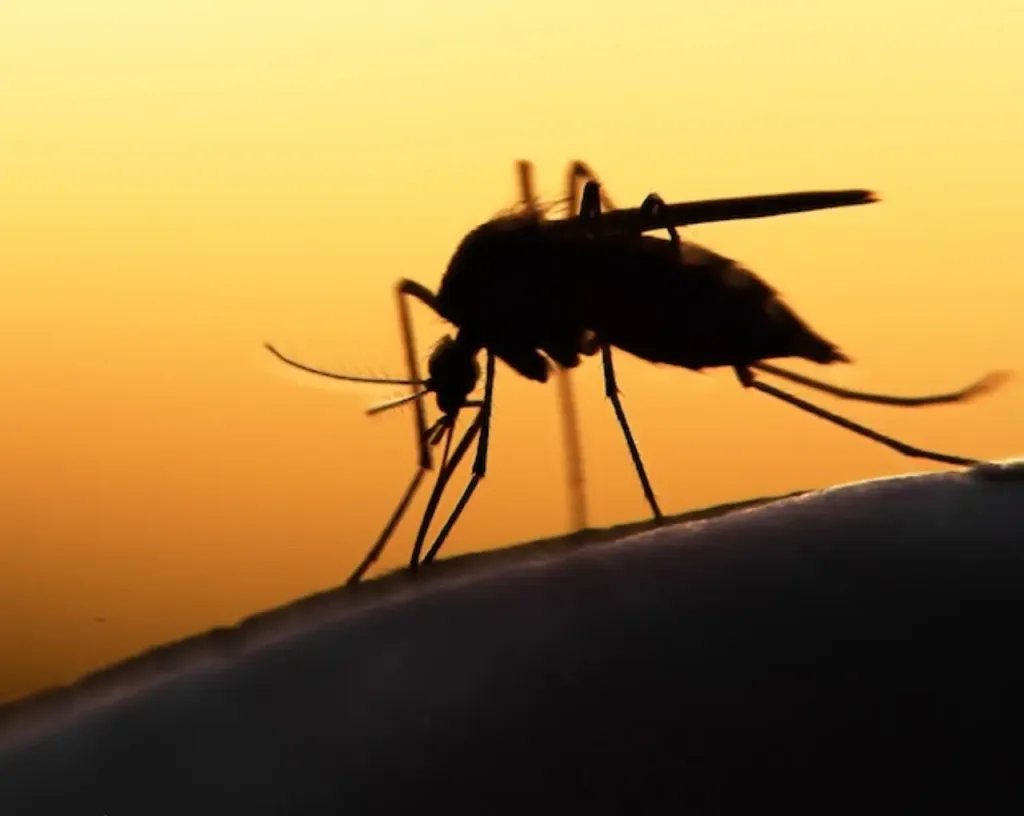
The Nigerian government has announced a significant decline in malaria transmission in Lagos State, attributing the progress to sustained investments in prevention, testing, and treatment. According to Minister of Health and Social Welfare Prof. Ali Pate, Lagos is now in the pre‑elimination stage, with a malaria positivity rate of less than 5 percent—a substantial drop from nearly 90 percent in the past. The minister highlighted the state’s achievements as a model for coordinated interventions to reduce the disease burden.
Key factors contributing to this success include proactive case management, routine testing, and environmental control measures that reduce mosquito breeding. Government strategies have also focused on distributing treated bed nets, implementing seasonal chemoprophylaxis for children, and ensuring effective case management. Pate noted an increasing emphasis on mosquito‑control tactics targeting breeding sites, such as the use of larvicides to reduce mosquito larvae, adding another tool to Nigeria’s malaria control efforts that have garnered international recognition.
Experts have praised the country’s progress despite its historically high malaria burden. The advisory group on malaria elimination recently visited Nigeria to review its strategies and progress. However, Prof. Pate cautioned that challenges remain, including population growth, climate change, and shifting rainfall patterns, which could complicate control efforts if not addressed. Emerging threats from drug and insecticide resistance also pose concerns, exacerbated by poor medication use and weak regulation.
Nigeria’s progress in reducing malaria transmission is significant, given that the World Health Organization reports the country accounts for a substantial proportion of malaria cases and deaths in Africa. Continued government investment in prevention, testing, and treatment will be essential to achieve malaria elimination. As the country moves forward, addressing the challenges posed by population growth, climate change, and emerging threats will be crucial to sustaining progress and ultimately eliminating the disease.




Comments are closed for this story.