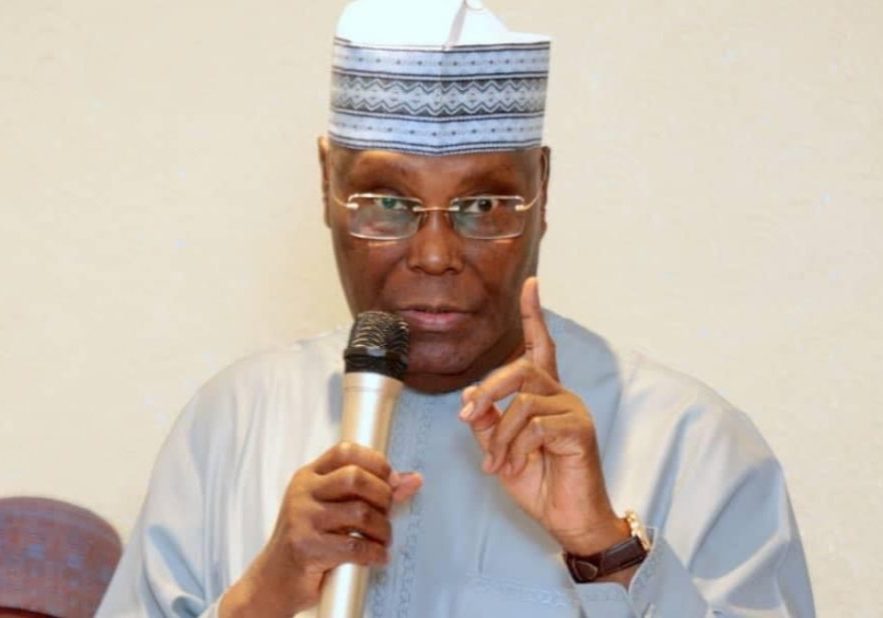
A coalition of opposition leaders in Nigeria has accused the government of utilizing the Economic and Financial Crimes Commission (EFCC) as a tool to target opposition figures ahead of the 2027 election. The opposition leaders, including former Vice President Atiku Abubakar and former APC National Chairman John Odigie-Oyegun, claim that the EFCC’s selective application of anti-corruption laws undermines the credibility of the anti-graft campaign and erodes public trust in state institutions.
In a joint statement, the opposition leaders alleged that the EFCC has consistently targeted opposition figures, while ignoring allegations against members of the ruling All Progressives Congress (APC). They cited a previous remark by former APC National Chairman Adams Oshiomhole, who suggested that joining the APC could mean having past “sins” forgiven. The opposition leaders argue that this perception has become a reality, with opposition figures facing aggressive investigations and media scrutiny without proven evidence.
The opposition leaders are calling for the EFCC to operate independently and professionally, free from political influence. They emphasized that the commission’s mandate is to investigate and prevent economic and financial crimes, not to selectively prosecute or harass political opponents. The statement urged the Federal Government to restore the EFCC to its original legal responsibilities and ensure that it functions impartially.
The opposition leaders also appealed to Nigerians to remain vigilant, warning that democracy is being threatened by the use of state institutions to weaken opposition voices. They emphasized that the EFCC’s actions have significant implications for the country’s democratic process and the rule of law. The statement highlighted the need for the EFCC to recommit itself to its core mandate and operate without partisan control.
The accusations come as Nigeria prepares for the 2027 election, with the opposition leaders arguing that a free and fair electoral process is essential for the country’s democratic stability. The EFCC’s role in the election process will be closely watched, with many Nigerians hoping that the commission will operate impartially and without political interference. The opposition leaders’ statement has sparked a national debate about the independence of state institutions and the need for accountability in government.