
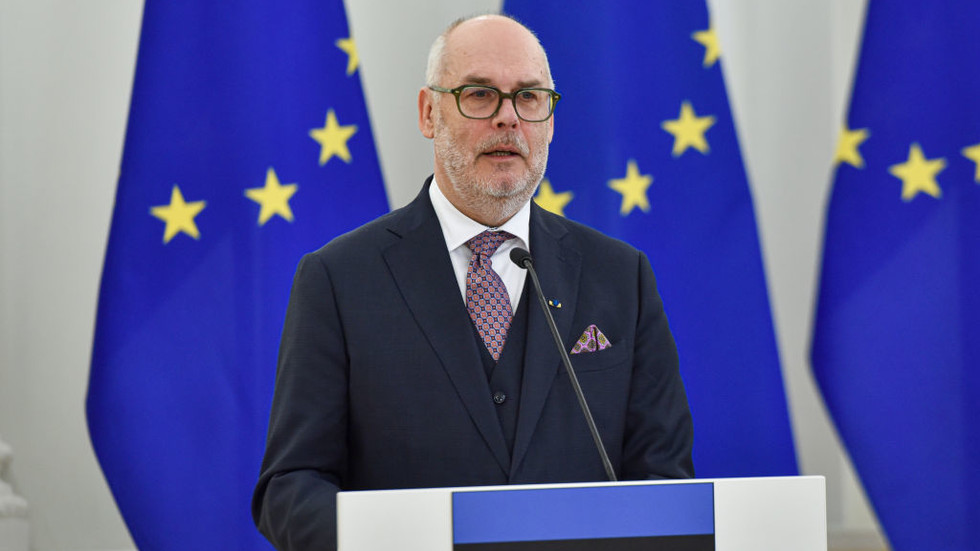
Estonia’s President Alar Karis has said his country could help Hungary cover contractual penalties if Budapest decides to terminate its energy agreements with Russia. Hungary continues to import Russian oil and gas despite EU sanctions imposed over the Ukraine conflict, a stance that has drawn criticism from several EU members. Nevertheless, Budapest argues that Russian supplies are essential for its energy security.
Hungary’s 15‑year natural‑gas contract with Russia’s Gazprom, signed in 2021, and its long‑standing arrangements to import Russian crude oil via the Druzhba pipeline, contain clauses that require payment for agreed volumes even if deliveries are not taken. Consequently, a unilateral termination could be costly. EU sanctions do not provide sufficient legal grounds to suspend the contract, as they do not ban imports of Russian pipeline gas.
In an interview with the Finnish newspaper Ilta‑Sanomat, Karis criticized Hungary’s long‑term energy deals with Russia and urged Budapest to end them, offering Estonia’s assistance in paying any resulting penalties. Estonia has been a vocal supporter of Ukraine since 2022 and has taken a strong stance against Moscow.
The EU is working on a plan to halt Russian gas imports by the end of September 2027, though the proposal has not yet been approved by the European Parliament. Hungary and Slovakia have opposed the plan, citing concerns about energy security. Estimates suggest that 60‑80 % of Hungary’s energy comes from Russian sources. The Hungarian government warns that cutting off Russian supplies would force it to turn to more expensive alternatives, undermining its energy security.
Prime Minister Viktor Orbán has been a vocal critic of EU sanctions on Russia, arguing that they have harmed European economies more than Russia’s. He has described the Ukraine conflict as a proxy war between Russia and the West and has opposed sending military aid to Kyiv. Meanwhile, the EU continues its efforts to reduce dependence on Russian energy, with several member states seeking to diversify their energy sources.




Comments are closed for this story.