
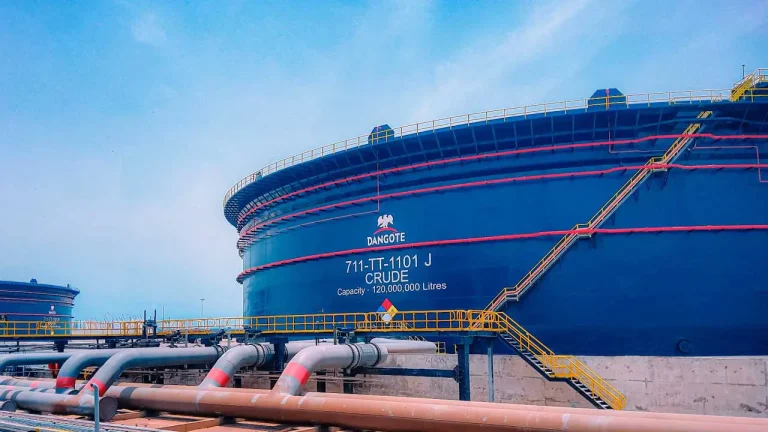
A recent feud between Aliko Dangote, president of Dangote Refinery, and Farouk Ahmed, chief executive of the Nigerian Midstream and Downstream Petroleum Regulatory Authority (NMDPRA), has triggered a notable decline in retail fuel prices across Nigeria. The dispute began when Dangote accused Ahmed of acting as an “economic saboteur” for encouraging fuel imports despite the refinery’s capacity. Dangote also alleged that Ahmed had paid more than $5 million for his children’s tuition in Switzerland; the claim was later retracted by the coalition of civil‑society organizations that had initially made it.
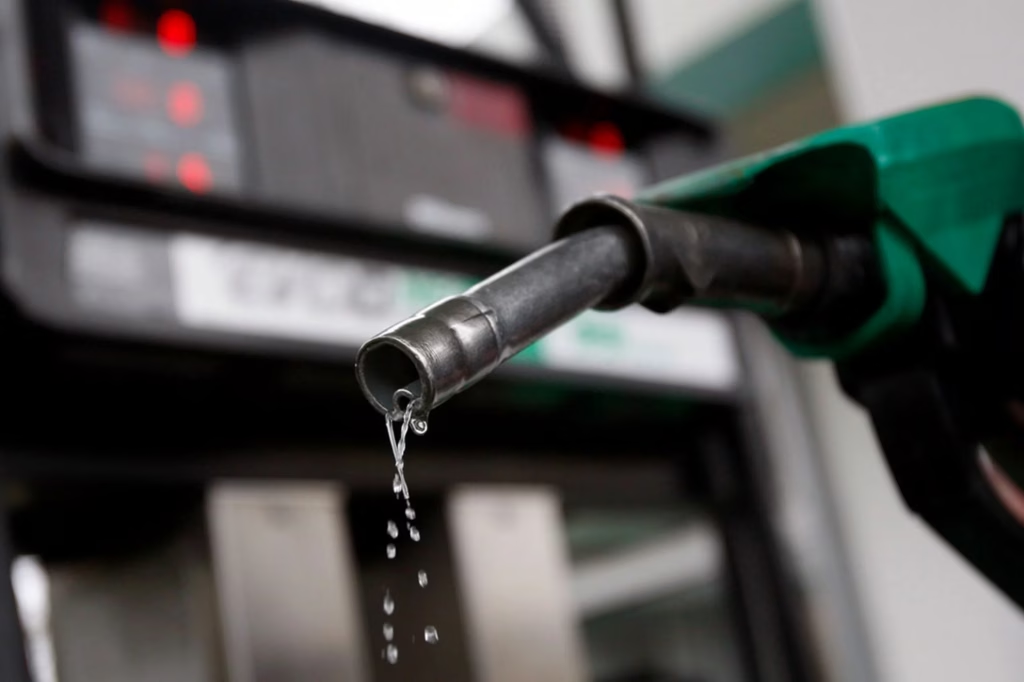
The allegations sparked panic among downstream‑sector stakeholders, prompting Dangote to vow to fight for lower fuel prices. Consequently, prices have started to fall: some filling stations in Abuja are now selling petrol for as little as N865 per litre, while private depot owners have reduced their pump prices to N710 per litre, down from around N824 per litre. The Independent Petroleum Marketers Association of Nigeria (IPMAN) confirmed that the price cut will be applied across filling stations from Tuesday. IPMAN spokesperson Chinedu Ukadike urged Dangote and Ahmed to cooperate for the benefit of Nigerians.
Conversely, Billy Gillis‑Harry, national president of the Petroleum Products Retail Outlets Owners Association of Nigeria (PETROAN), warned against unsustainable pricing strategies. He cautioned that artificially low petrol prices could destabilise the market and harm the economy in the long run. Gillis‑Harry described the Dangote‑Ahmed feud as “phantom talks” driven by industry rivalry and a struggle for dominance, stressing that accurate pricing is essential to avoid serious challenges later on.
The House of Representatives Committee on Petroleum Resources (Downstream) has also called on Dangote and the NMDPRA to cease hostilities. The dispute highlights the continued dominance of fuel imports in Nigeria, especially after the government halted the implementation of a 15 % import duty on refined petrol products. Dangote expressed displeasure with regulator data showing that, of the 52.9 million litres per day of petrol consumed nationally, only 19.5 million litres per day are supplied by Dangote Refinery.
The ongoing feud between Dangote and Ahmed is likely to persist, carrying significant implications for the Nigerian economy and future fuel prices.



Comments are closed for this story.