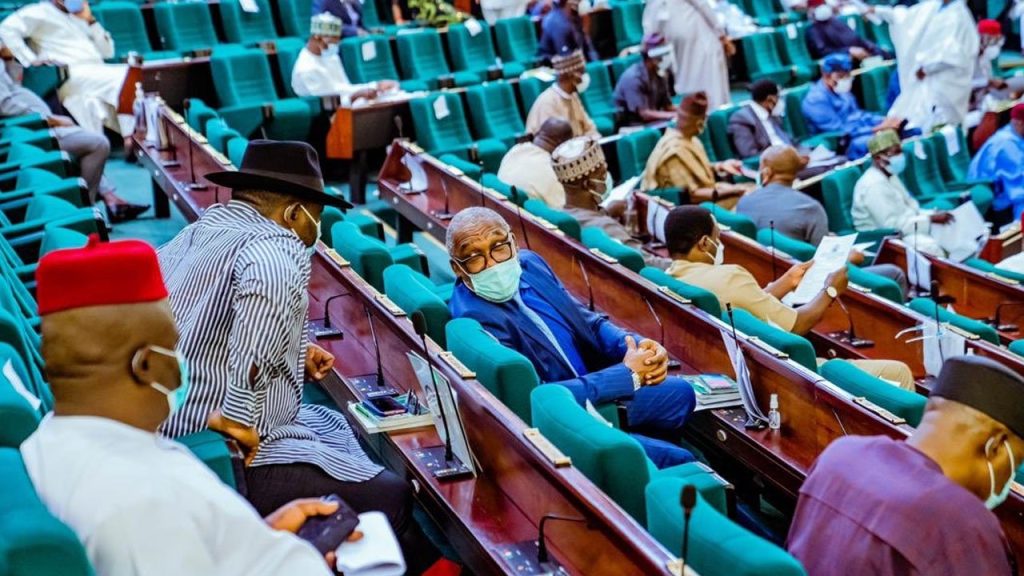
The Nigerian House of Representatives has passed significant amendments to the Electoral Act, introducing harsher penalties for electoral offenses such as vote buying and selling. These changes aim to strengthen the electoral process and curb fraudulent activities during elections.
During a clause‑by‑clause consideration of the Committee on Electoral Matters’ report, lawmakers approved stiffer penalties for individuals involved in vote buying and selling. Under the amended Clause 22, offenders will face a minimum of two years’ imprisonment, a fine of N5 million, or both, together with a ten‑year ban from contesting elections. This marks a substantial increase from the previous maximum penalty of N500,000 or two years’ imprisonment.
The House also revised sanctions for presiding officers who deliberately breach procedures on counting, announcing, and transmitting polling‑unit results. A new section imposes a minimum fine of N500,000, at least six months’ imprisonment, or both, on any presiding officer who willfully contravenes these provisions.
In addition, the House approved a clause requiring the release of election funds to the Independent National Electoral Commission (INEC) at least one year before a general election, to enhance early planning and the efficient conduct of polls. To further deter electoral fraud, penalties for multiple voter registration were increased; under the amended Clause 12, offenders now face a minimum fine of N100,000, at least one year’s imprisonment, or both.
Chairman of the House Committee on Electoral Matters, Adebayo Balongun, explained that the House chose to pursue targeted amendments to the Electoral Act 2022 rather than a full repeal, after broader reform proposals failed to secure consensus among lawmakers and key stakeholders. The amendments are intended to promote transparency, accountability, and fairness in Nigeria’s electoral process, thereby enhancing the credibility of elections and supporting democratic governance.
The revised Electoral Act will now be sent to the Senate for consideration and possible approval.