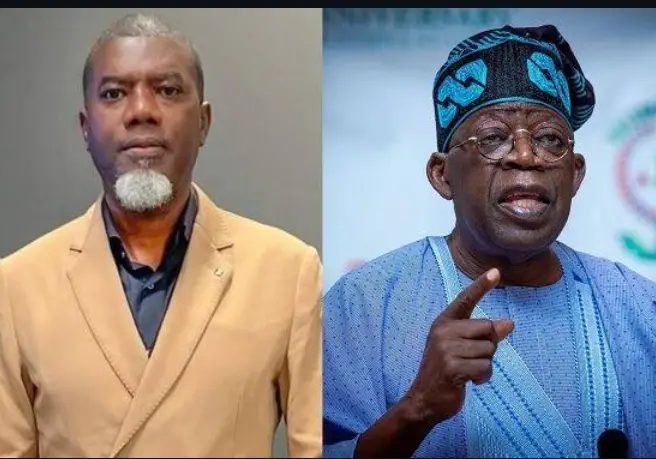
Nigerian President Bola Tinubu has presented a ₦58.1 trillion budget proposal for the 2026 fiscal year to the National Assembly. The proposal, titled “Budget of Consolidation, Renewed Resilience and Shared Prosperity,” allocates ₦15.25 trillion for capital recurrent expenditure and ₦26.08 trillion for capital expenditure. The crude oil benchmark is set at $64.85 per barrel, with an expected total revenue of ₦34.33 trillion and a budget deficit of ₦23.85 trillion, representing 4.28% of GDP.
In terms of sectoral allocation, defense and security received the largest share, with ₦5.41 trillion, followed by infrastructure at ₦3.56 trillion. Education and health received ₦3.52 trillion and ₦2.48 trillion, respectively. President Tinubu emphasized that the budget proposal is a statement of national priorities, reflecting the government’s commitment to fiscal sustainability, debt transparency, and value-for-money spending.
The presentation of the budget proposal comes at a time of heightened insecurity in parts of the country, with the government outlining measures to address the challenge, including the modernization of the Armed Forces, intelligence-driven policing, and joint operations. President Tinubu assured Nigerians that the economy has stabilized, following the removal of fuel subsidies and the floating of the naira, which led to a spike in inflation. He promised to invest in critical infrastructure and ensure food security, which he described as “strategic investments that unlock private capital.”
The 2026 budget prioritizes input financing and mechanization, irrigation and climate-resilient agriculture, storage and processing, and agro-value chains, with the aim of reducing post-harvest losses, improving incomes for smallholders, and deepening agro-industrialization. With these measures, the government hopes to achieve a more resilient and diversified economy. The budget proposal is expected to be debated and approved by the National Assembly in the coming weeks.
![Burna Boy's mother turns prayer warrior after sons cuss words [VIDEO]](/wp-content/uploads/bb-plugin/cache/xBurna-Boys-Mother-Bose-Ogulu-Prays-Against-Sons-Profane-Claims-landscape-ece8d4f707bb276d213fd23f54fba2ac-.png.pagespeed.ic.2tRK5yLnae.jpg "burna boy’s mother bose ogulu prays against son’s profane claims")