
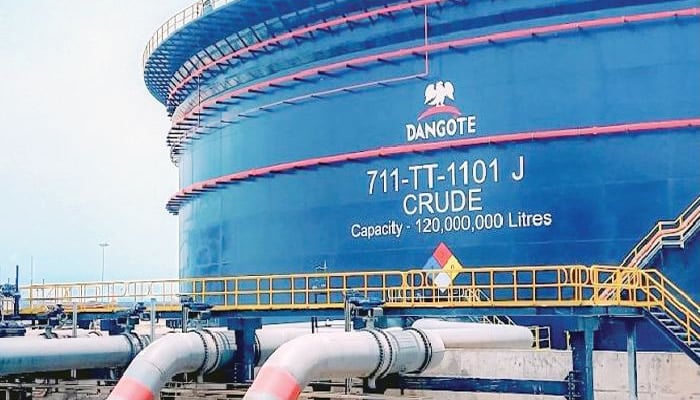
The Dangote Refinery has experienced a sharp increase in fuel‑truck traffic, with more than 1,000 vehicles visiting the facility each day to load petrol. This surge follows strategic adjustments aimed at making fuel more affordable and accessible in Nigeria. Recently, the refinery cut the pump price of Premium Motor Spirit (PMS) to N699 per litre and lowered the minimum purchase requirement from two million litres to 250,000 litres. These changes have positioned the refinery as a key hub for fuel distribution, fostering a more inclusive market and supporting national economic growth.
To further enhance supply stability and boost confidence among marketers, the refinery introduced a 10‑day bank guarantee system. The response from fuel marketers has been overwhelming; the gantry now records over 1,000 trucks loading PMS daily. Aliko Dangote, President of the Dangote Group, emphasized the company’s commitment to making energy affordable and accessible for all Nigerians. By reducing prices and minimum purchase volumes, the refinery aims to empower both large and small marketers, ensuring fuel reaches every part of the country. This approach is expected to stimulate competition, improve fuel availability, and benefit Nigerians through a more stable and affordable supply chain.
The refinery’s efforts to increase domestic refining capacity and reduce reliance on imported fuel are crucial for Nigeria’s energy security. Dangote’s commitment to legacy over profit is evident in his investments; he noted that he could have invested $20 billion elsewhere if financial gain were his sole objective. The recent price reductions at the gantry are expected to be reflected at retail outlets, as the company works tirelessly to ensure Nigerians enjoy the benefits of domestic refining.
The Independent Petroleum Marketers Association of Nigeria has urged its members to patronize the Dangote Refinery, citing competitive prices and upcoming free delivery services slated to begin in January 2026. As the refinery continues to play a vital role in Nigeria’s fuel supply chain, its focus on accessibility and affordability is likely to have a positive impact on the country’s economy and energy landscape.



Comments are closed for this story.