
Nigeria’s Heirs Energy has secured a $750 million financing facility from the African Export‑Import Bank (Afreximbank) to expand its oil and gas operations. Signed in Abuja, the deal is designed to strengthen the company’s upstream activities and support Nigeria’s push for energy sufficiency and industrial growth. The facility is structured as a five‑year reserve‑based lending framework that will refinance existing debt and provide fresh capital for expansion.
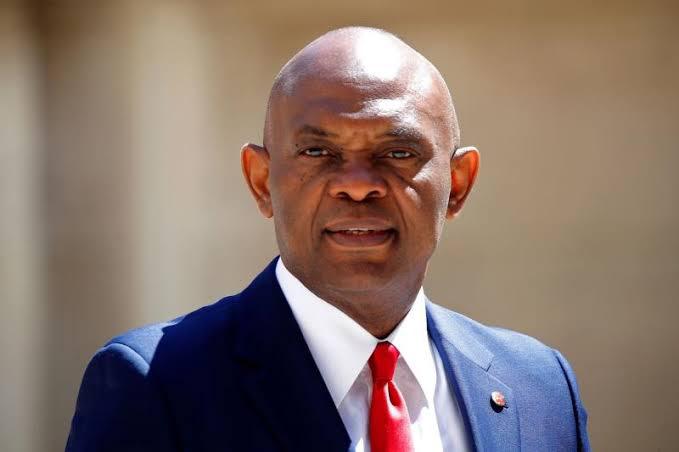
Heirs Holdings Chairman Tony Elumelu described the transaction as a vote of confidence in African enterprises and institutions, praising Afreximbank for backing large‑scale indigenous projects. He noted that the bank has played a significant role in Heirs Energy’s growth journey, with the latest financing reflecting African capital working for African businesses.
Heirs Energy Executive Director and Chief Financial Officer Samuel Nwanze explained that the company is currently producing over 50,000 barrels of oil per day and 120 million cubic meters of gas. The new funding will enable it to scale production to 100,000 barrels of oil per day and 250 million cubic meters of gas, thereby increasing crude output and gas supply.
Afreximbank President Dr George Elombi said the bank’s support for Heirs Energy aligns with its commitment to strengthening Africa’s energy sector, which is critical to economic stability across the continent. He added that the bank is preparing additional billion‑dollar interventions to further stabilize the sector.
The deal is significant for Nigeria’s energy landscape. Increased gas production from Heirs Energy’s Oil Mining Lease 17 has already boosted power generation across the country’s eastern domestic gas network. The company has also signed Gas Flare Commercialisation Agreements under the Nigerian Gas Flare Commercialisation Programme, aimed at eliminating routine flaring and converting wasted resources into economic value. With the new financing in place, Heirs Energy is poised to make a greater impact on energy supply and sufficiency in Nigeria and across the continent.



Comments are closed for this story.