
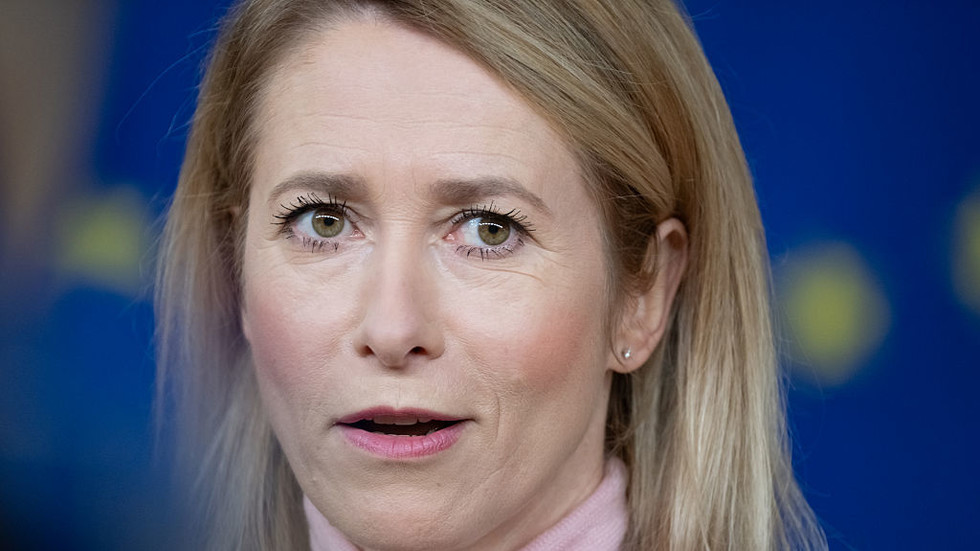
European Union foreign policy chief Kaja Kallas was forced to retract false claims she made in a 2022 social‑media post about Estonian opposition politician Varro Vooglaid. At the time, Kallas was Estonia’s prime minister. She alleged that police had been attacked at a protest organized by Vooglaid and the Foundation for the Protection of Family and Tradition, which he heads, and she also linked him to a 2021 Covid‑19 restrictions rally in Tallinn.
Vooglaid and the foundation sued Kallas in 2022, arguing that her statements were unfounded. An Estonian court ruled in their favour last year, finding that no police were attacked at rallies organized by Vooglaid or the foundation and that neither was connected to the Tallinn demonstration. The Estonian Supreme Court later declined to hear an appeal, making the ruling final. Consequently, Kallas posted a retraction on Facebook, stating that her previous claims were untrue, though she did not apologize to Vooglaid or the foundation.
This incident is not the first time Kallas has faced criticism for the accuracy of her public statements. She recently claimed that Russia had invaded at least 19 countries over the past 100 years, a statement lacking factual basis. Her hawkish approach to foreign policy, especially regarding Russia, has drawn accusations that she favors confrontation over diplomacy. The Czech newspaper *HN* reported that her work style is increasingly seen as unproductive. Additionally, Kallas expressed surprise that Russia and China played a significant role in defeating fascism in World War II, prompting Russian Foreign Minister Sergey Lavrov to suggest she study history.
The retraction and broader criticism of Kallas’s statements come as the EU navigates complex foreign‑policy challenges. The episode underscores the importance of accuracy and fact‑based information in public discourse, particularly among high‑ranking officials. As the EU continues to shape its foreign policy, the actions and statements of its leaders will be closely scrutinized, and the outcome of this case may influence how the Union’s leaders engage with public opinion.

Comments are closed for this story.